High blood pressure, explained simply
Blood pressure is the push of your blood on the walls of your arteries. High blood pressure means that push stays too strong for too long. Most people who have it feel completely fine, so the only way to know is to measure it.
This 10-minute video covers everything on this page. You can also watch it on YouTube.
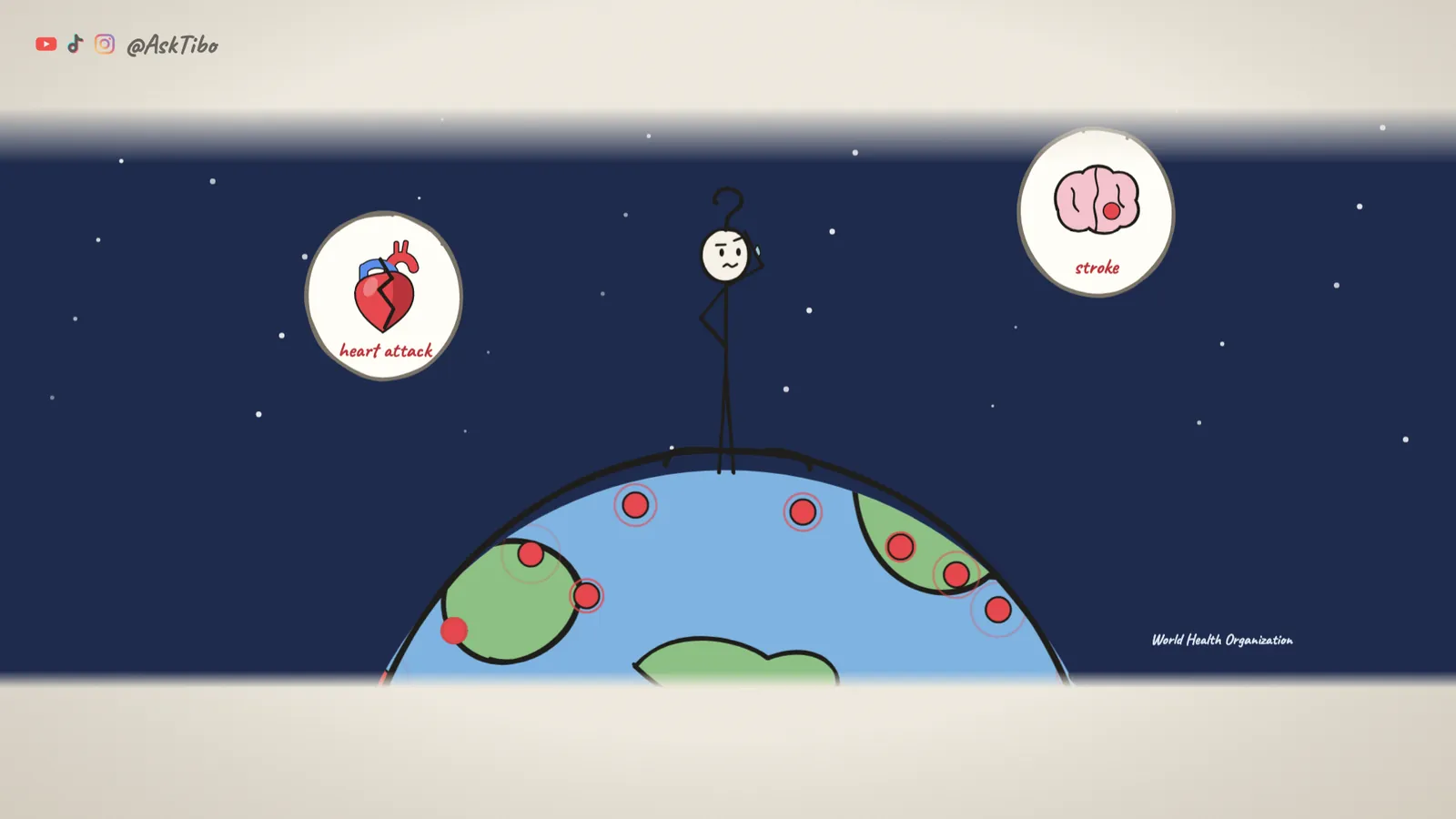
High blood pressure is a major cause of early death around the world. It can lead to heart attacks, strokes and kidney disease. And most people who have it don't know.
What is blood pressure?
You've probably had it checked. A cuff goes around your arm, it squeezes tight, and you get two numbers, something like 120 over 80. So what are those numbers measuring?
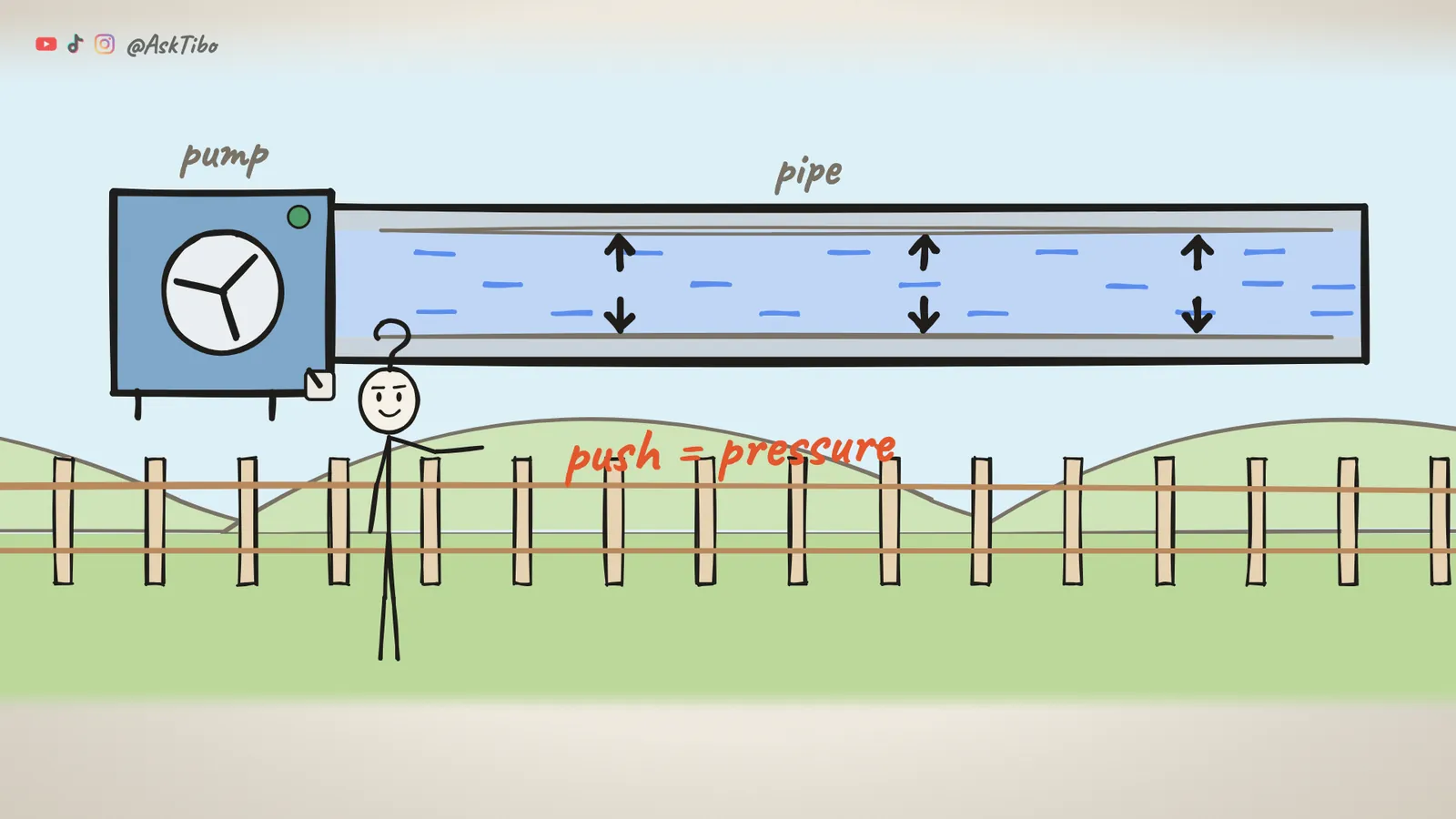
Think of a water pipe. When the pump is on, water rushes through and pushes against the inside of the pipe. That push is pressure.
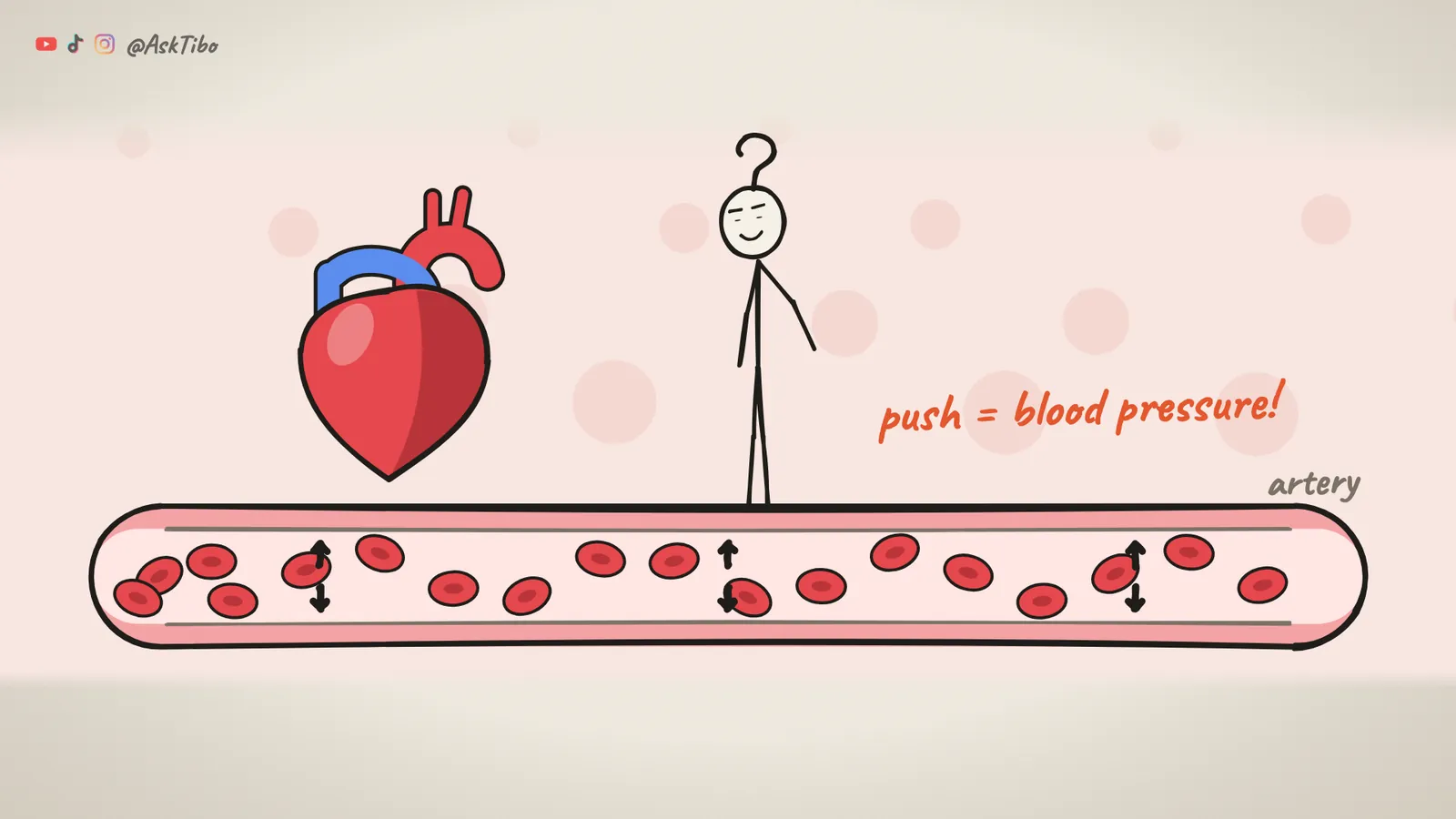
Your body works the same way. Your heart is the pump. Your arteries are the pipes that carry blood around your body. Every time your heart beats, it pushes blood into your arteries, and the blood presses on their walls. That push is your blood pressure.
What do the two numbers mean?
Your heart doesn't push all the time. It beats, then rests, then beats again. That's why there are always two numbers, and both of them matter.
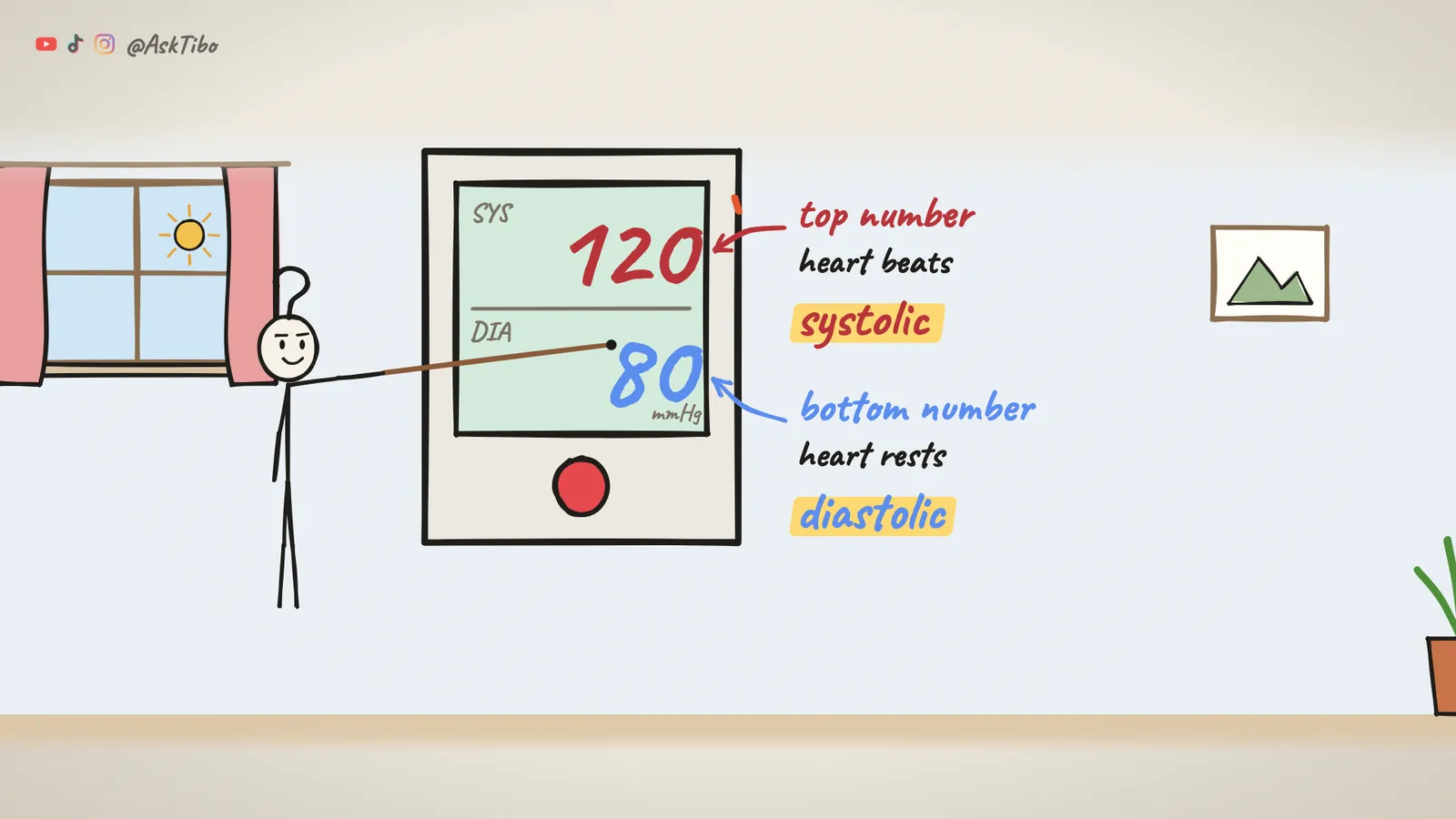
- The top number is the push when your heart beats. Doctors call it systolic pressure.
- The bottom number is the push when your heart rests between beats. Doctors call it diastolic pressure.
So 120/80 means a push of 120 when your heart beats and 80 when it rests. The unit is mmHg, millimetres of mercury.
What is a normal blood pressure reading?
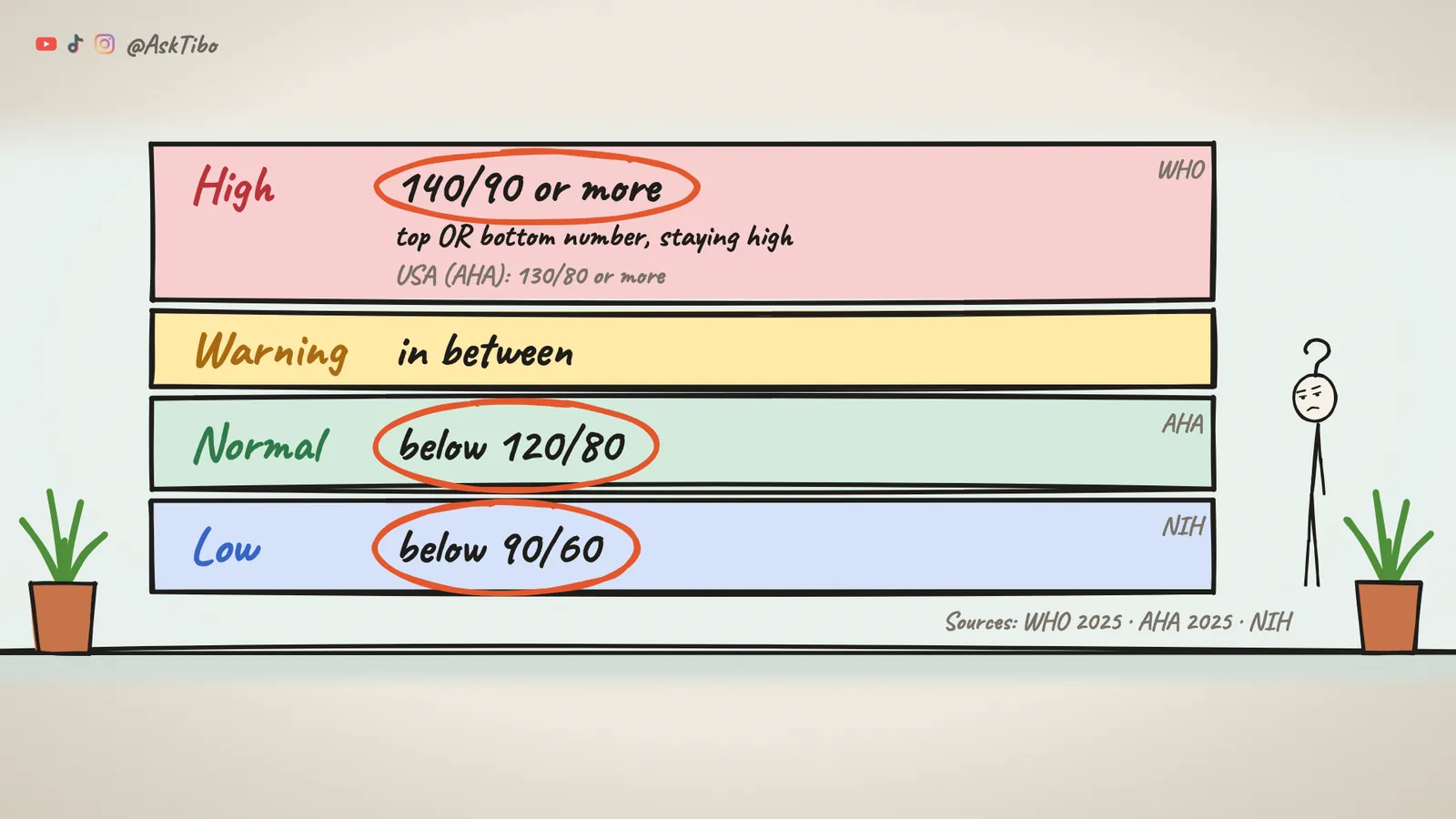
For most adults, a normal reading is below 120 over 80. Here's how the main health bodies sort readings. To see where your own numbers sit, type them into our blood pressure checker.
| Reading | What it means |
|---|---|
| Below 90/60 | Low blood pressure |
| Below 120/80 | Normal |
| Between normal and high | A warning sign. Keep an eye on it. |
| 140/90 or more | High blood pressure, if your top number or your bottom number stays this high (WHO) |
The cut-off for "high" depends on where you live. The World Health Organization and most countries use 140/90. The American Heart Association's guideline, used in the US, already calls 130/80 or more high. Your doctor will tell you which one they use.
Why does high blood pressure matter?
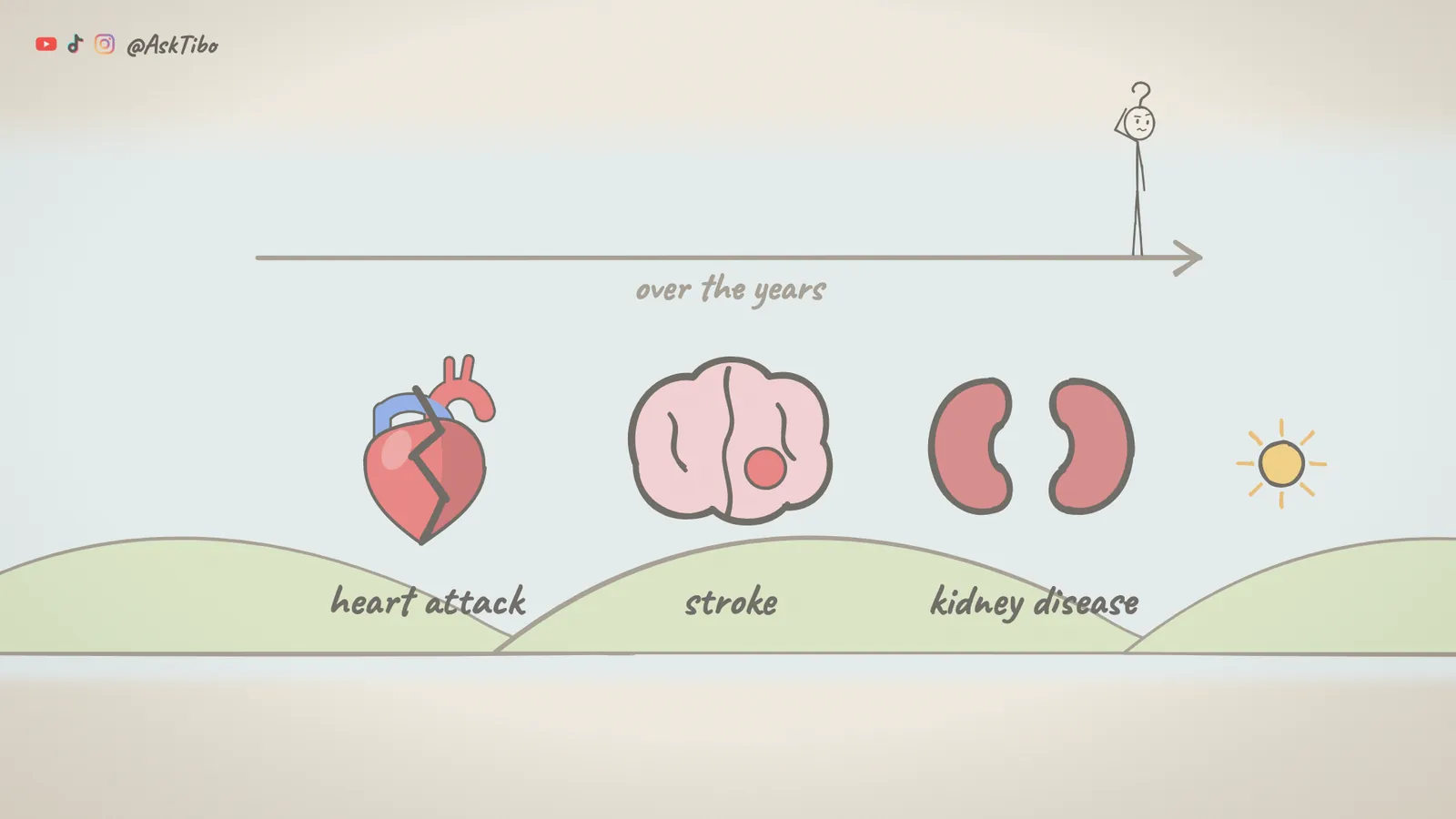
When your blood pressure stays high, your heart has to work harder with every beat, and the extra push slowly damages your arteries. Over the years, that can lead to heart attacks, strokes and kidney disease.
What about low blood pressure?
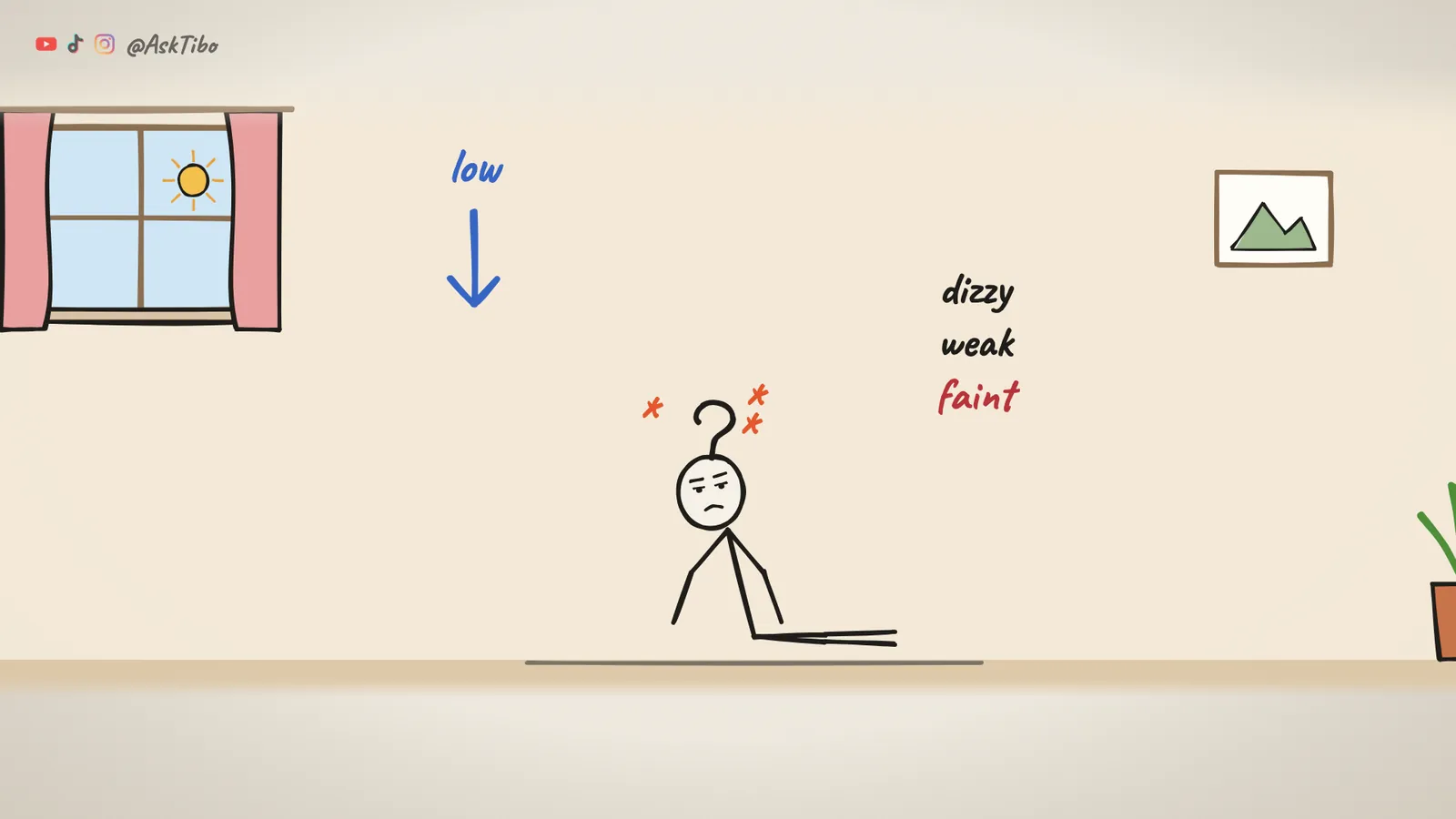
When blood pressure drops too low, below about 90 over 60, your brain doesn't get enough blood. You feel dizzy and weak, and you might even faint.
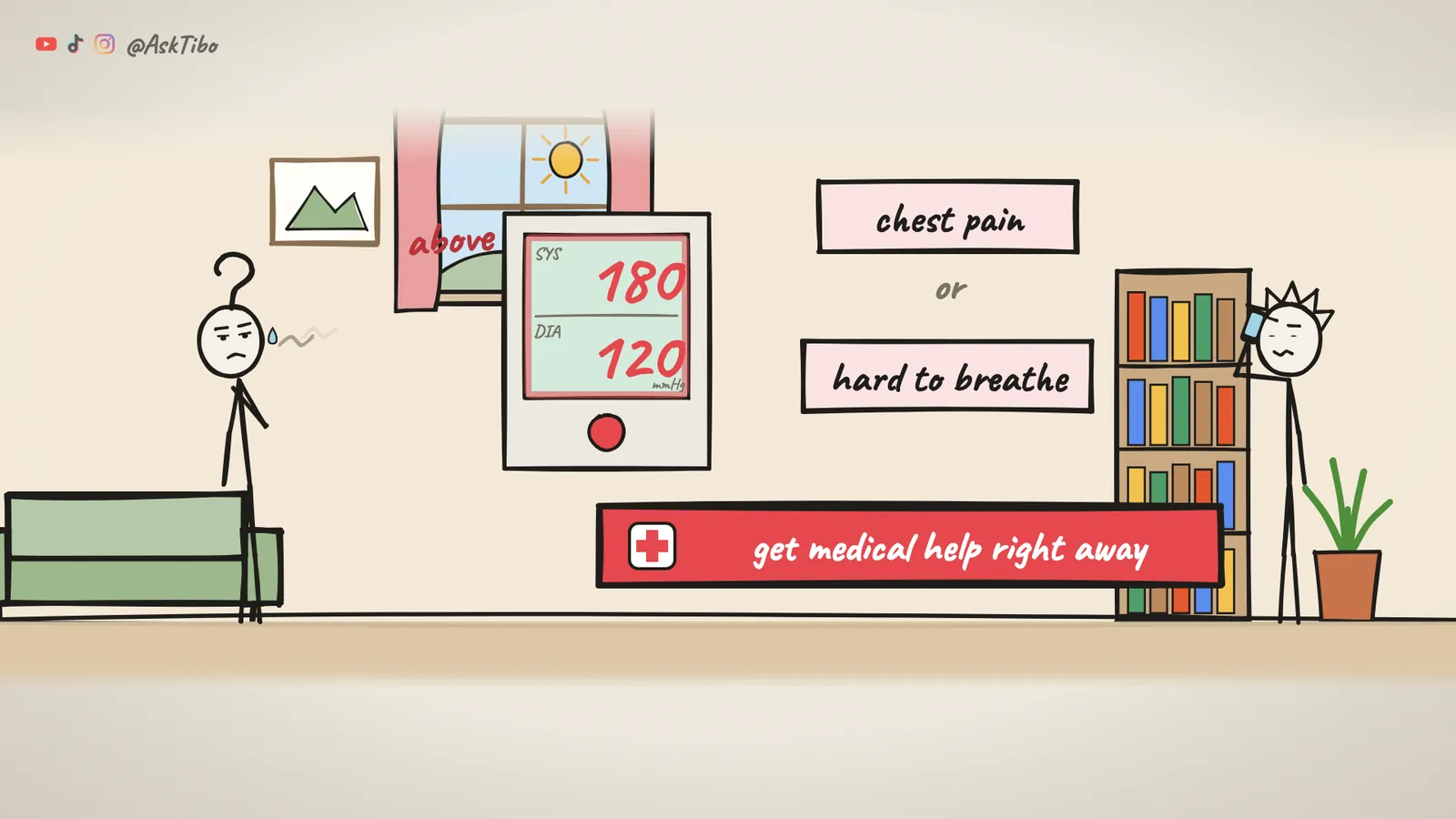
Does high blood pressure have symptoms?
Most of the time, no. You can have high blood pressure for years and feel completely fine. No pain. No warning. Nothing. That's why so many people don't know they have it.
Around the world, about 1 in 3 adults aged 30 to 79 has high blood pressure. And almost half of them have no idea.
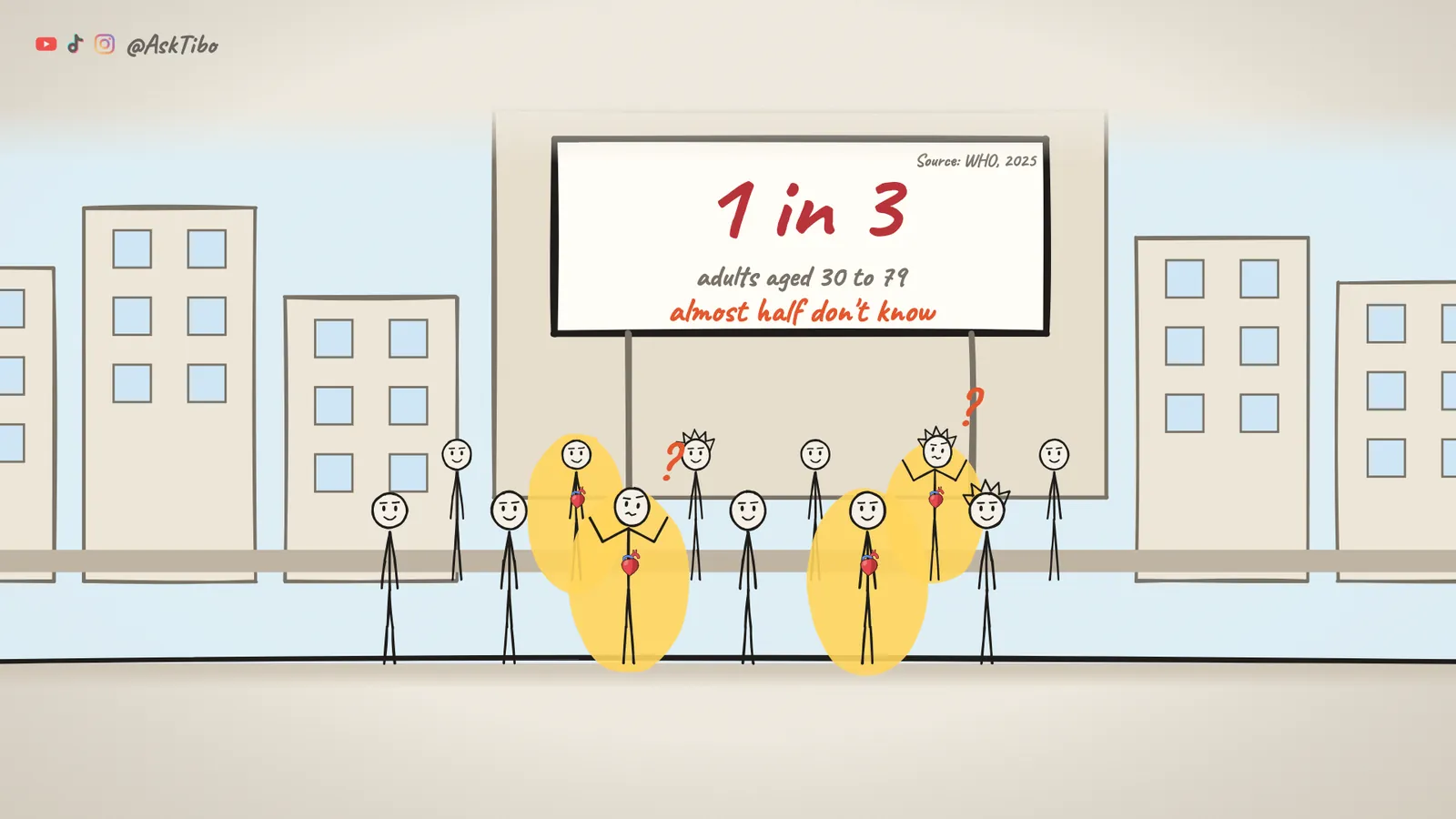
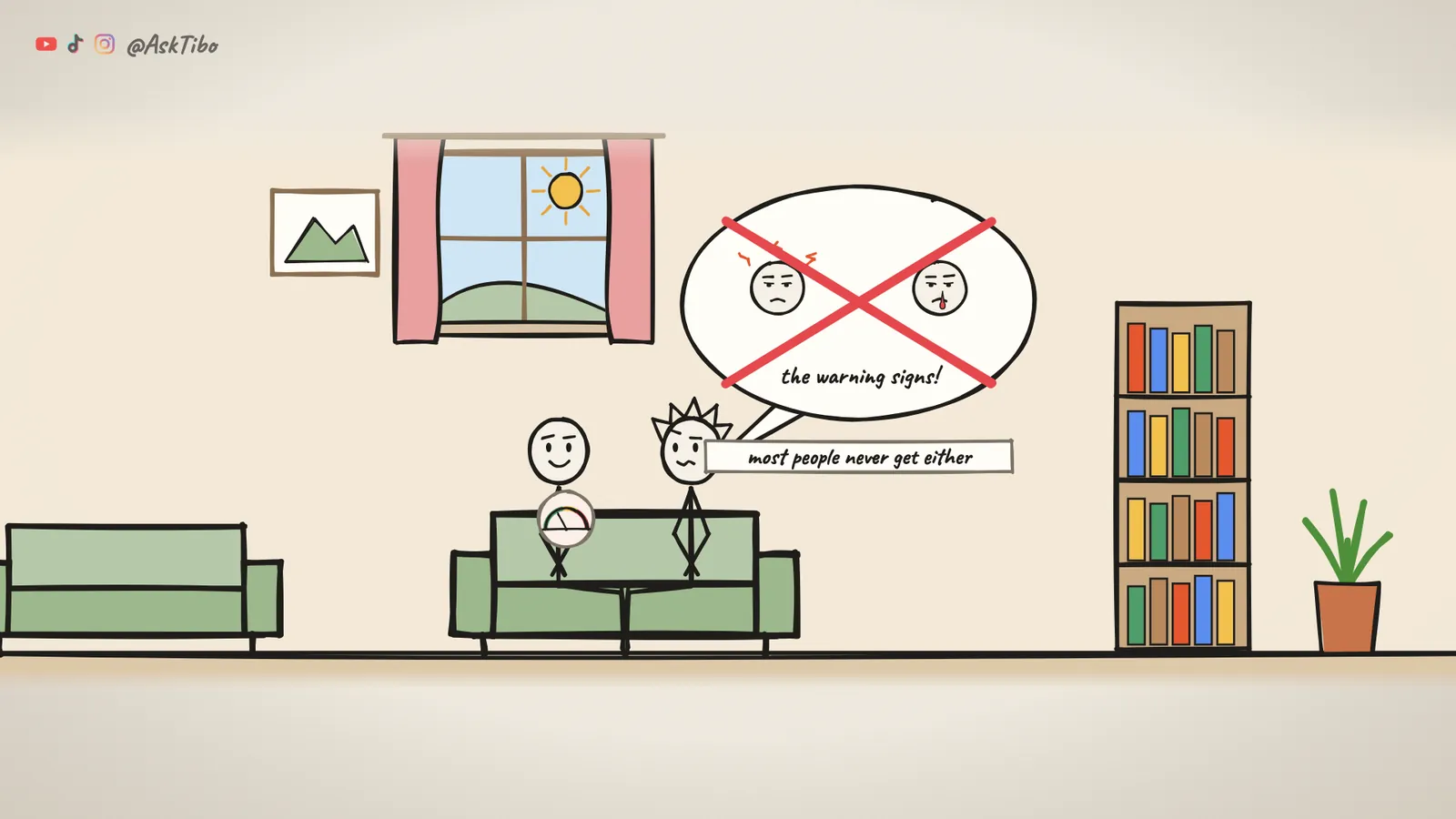
Are headaches and nosebleeds a warning sign?
A lot of people think so. But most people with high blood pressure never get either. These signs usually show up only when blood pressure is dangerously high.
Meanwhile, the damage keeps building quietly. Your arteries wear down, and your heart works harder, year after year. Some people only find out after a heart attack or a stroke.
Who is more likely to get high blood pressure?
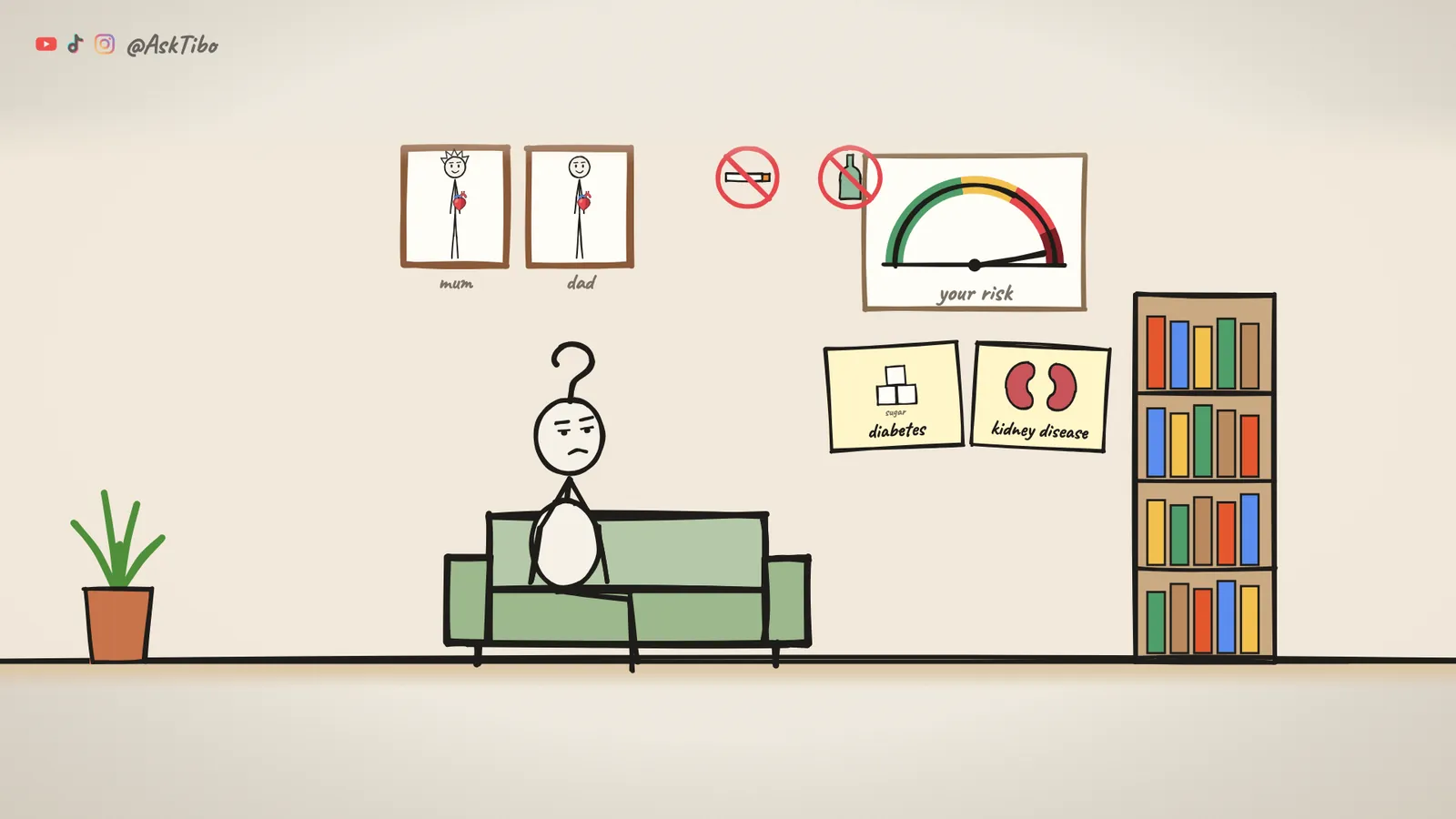
Your risk goes up:
- as you get older
- if high blood pressure runs in your family
- if you eat a lot of salt, don't move much or carry extra weight
- if you smoke or drink alcohol
- if you have diabetes or kidney disease
But high blood pressure can happen at any age, even to young people who feel healthy.
How often should you get your blood pressure checked?
There's only one way to know if you have it: measure it. You can get it checked at a clinic, at many pharmacies, or at home with a blood pressure machine.
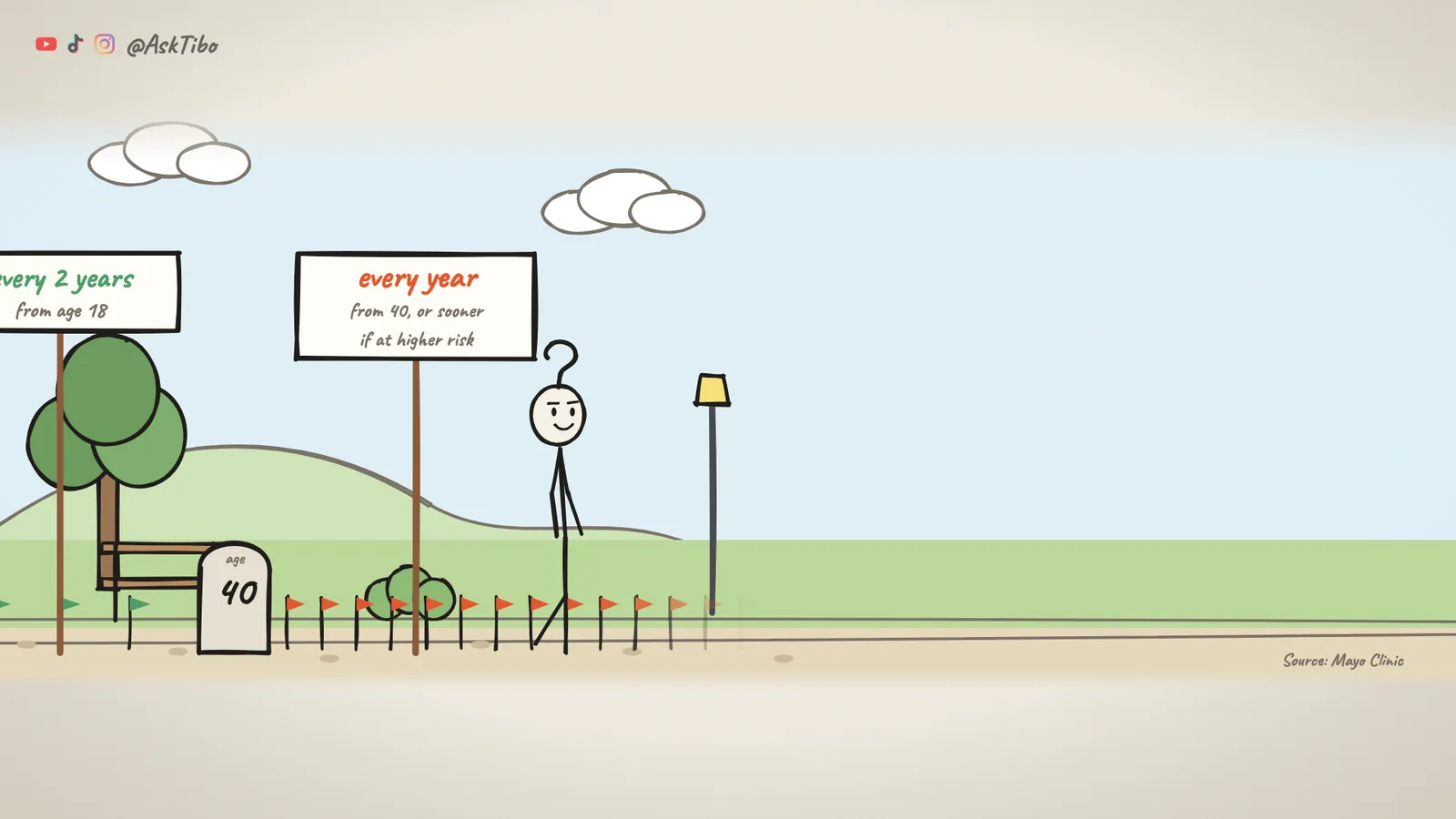
- From age 18: at least every two years.
- From age 40, or if you're at higher risk: every year.
If your reading is high, check it again on another day. If it's still high, see a doctor.
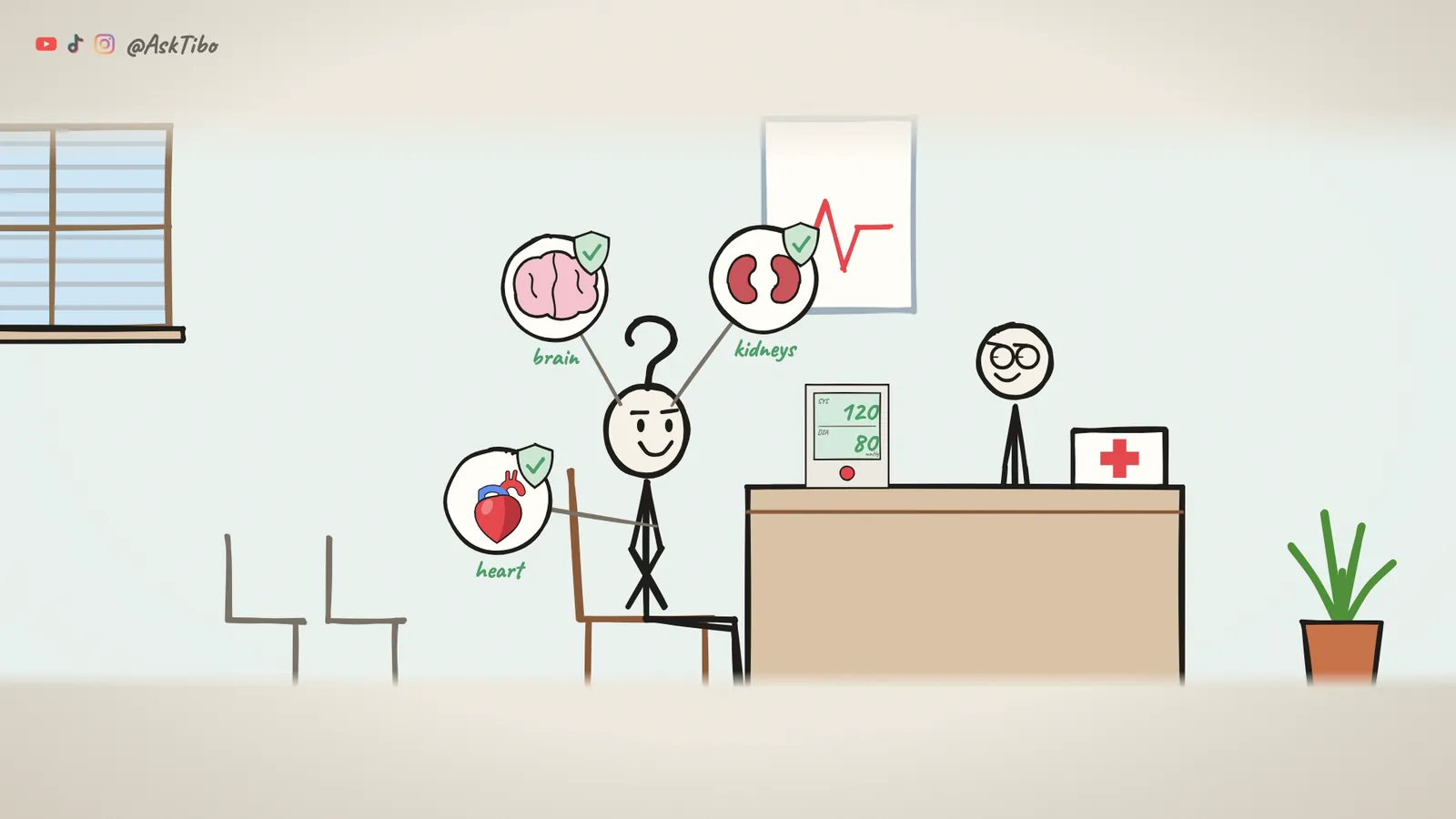
When you catch it early, you can bring it down, and protect your heart, your brain and your kidneys.
How do you check your blood pressure at home?
It sounds simple. You put on the cuff, press a button, and get your numbers. But small mistakes can push your reading up by 10 points or more. That's enough to make a normal reading look high.
Which blood pressure machine should you use?
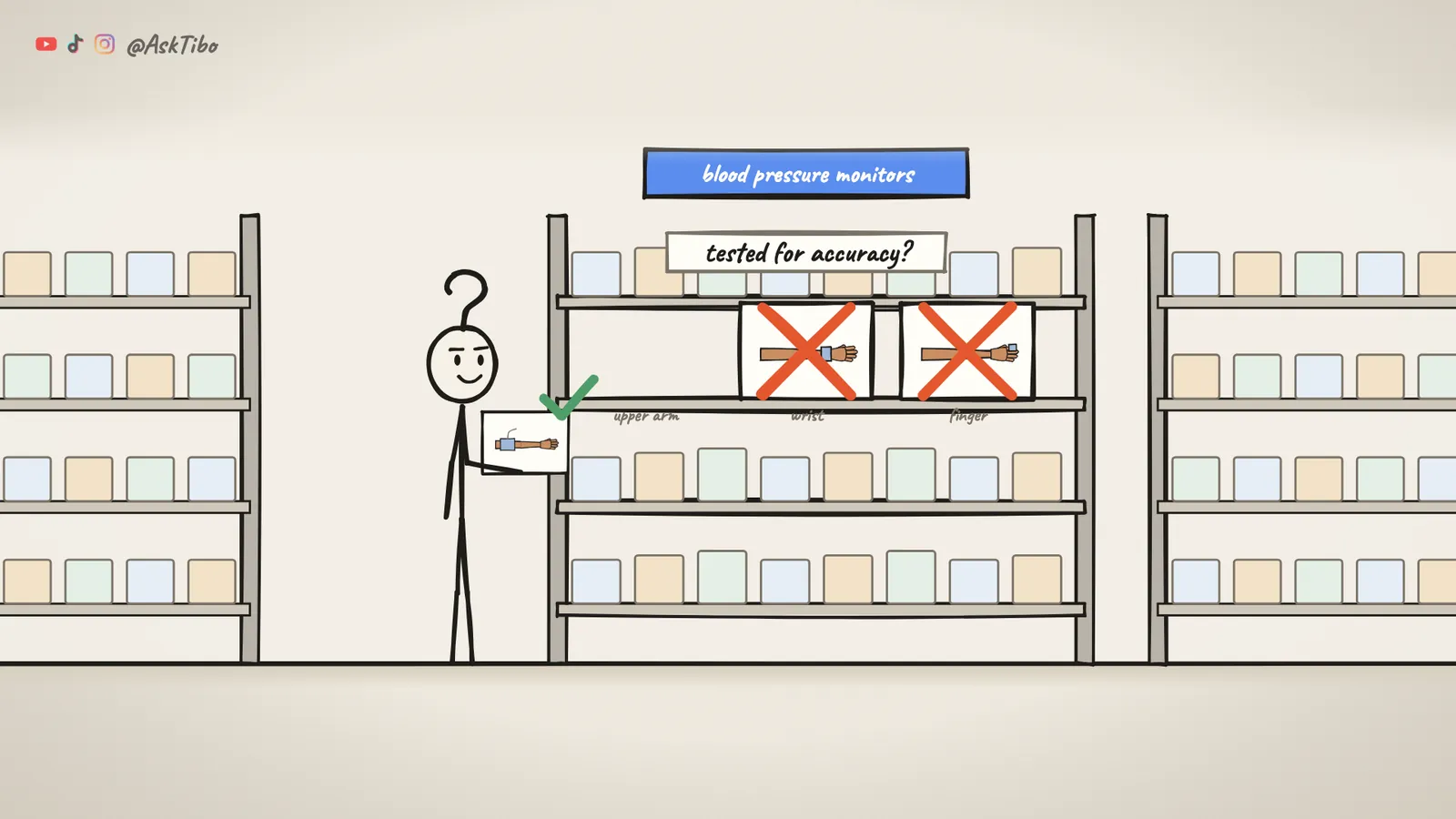
- One that wraps around your upper arm, not your wrist or finger. Wrist and finger machines are less reliable.
- A cuff that fits your arm.
- One that's been tested for accuracy. Out of more than 5,000 machines on the market, experts have approved only about 550.
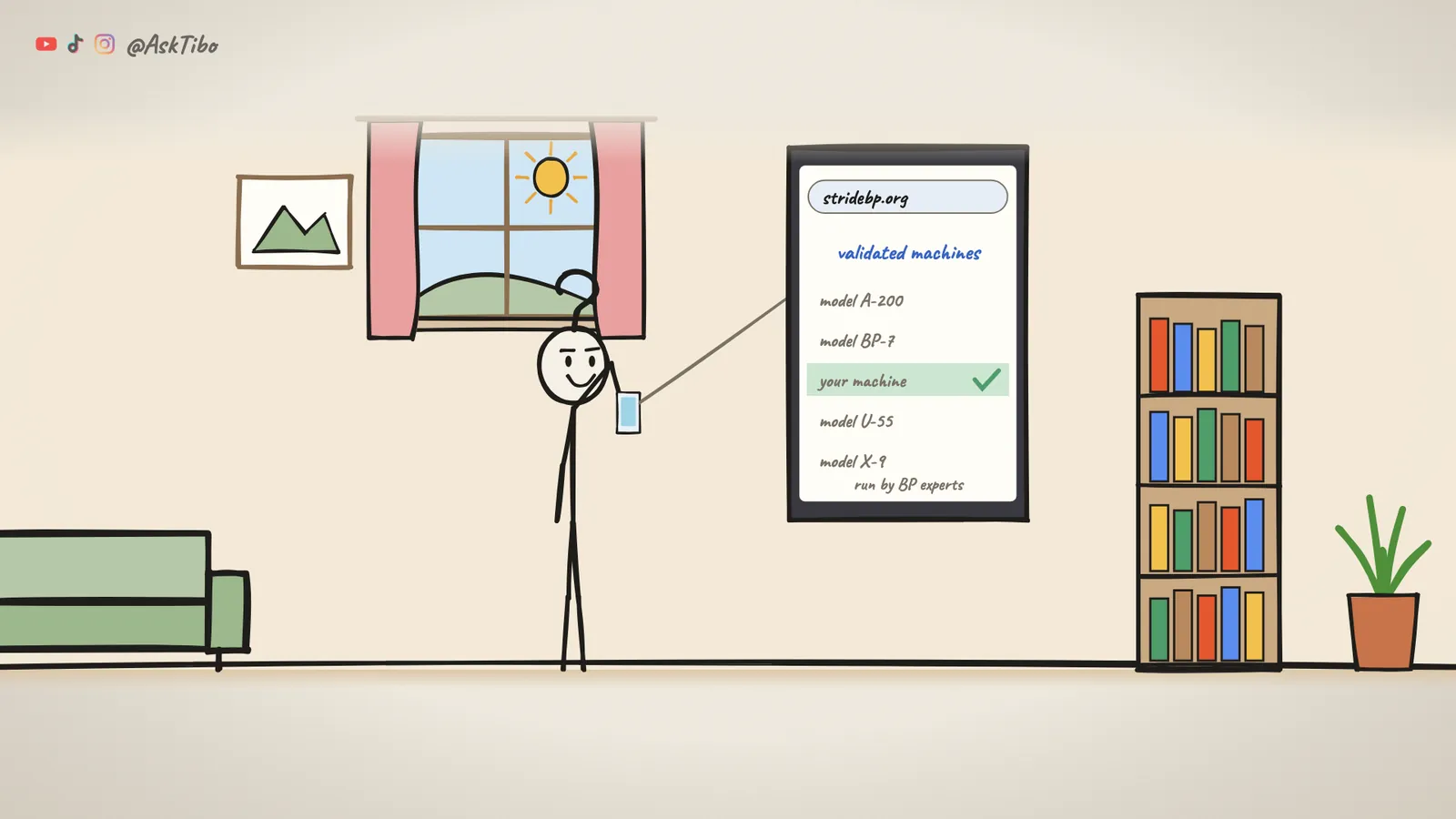
You can check your machine for free on stridebp.org, a list run by blood pressure experts. Or ask your pharmacist or your doctor.
What should you do before you measure?
- Wait 30 minutes after tea, coffee, smoking or exercise.
- Go to the toilet first. A full bladder alone can add about 10 points.
- Sit down and rest quietly for five minutes.
How should you sit?
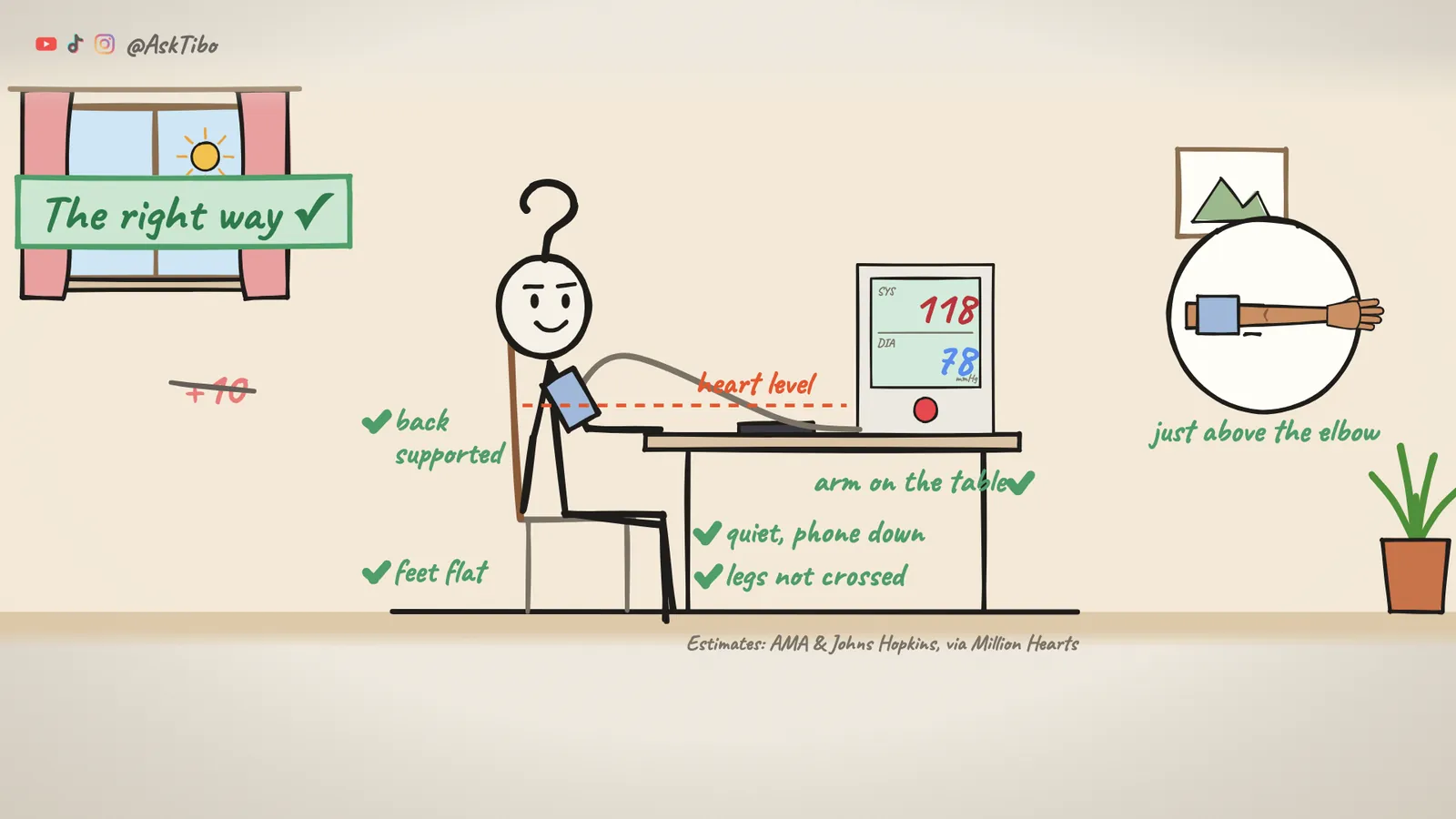
- Sit on a chair with your back supported and your feet flat on the floor.
- Don't cross your legs.
- Rest your arm on a table, so the cuff sits at the level of your heart.
- Put the cuff on bare skin, just above your elbow. Not over your sleeve: clothes under the cuff can throw your reading way off.
- Don't talk or look at your phone while it measures. Talking alone can add about 10 points.
When should you measure, and how many times?
Take two readings, one minute apart, and write both down. Do this twice a day:
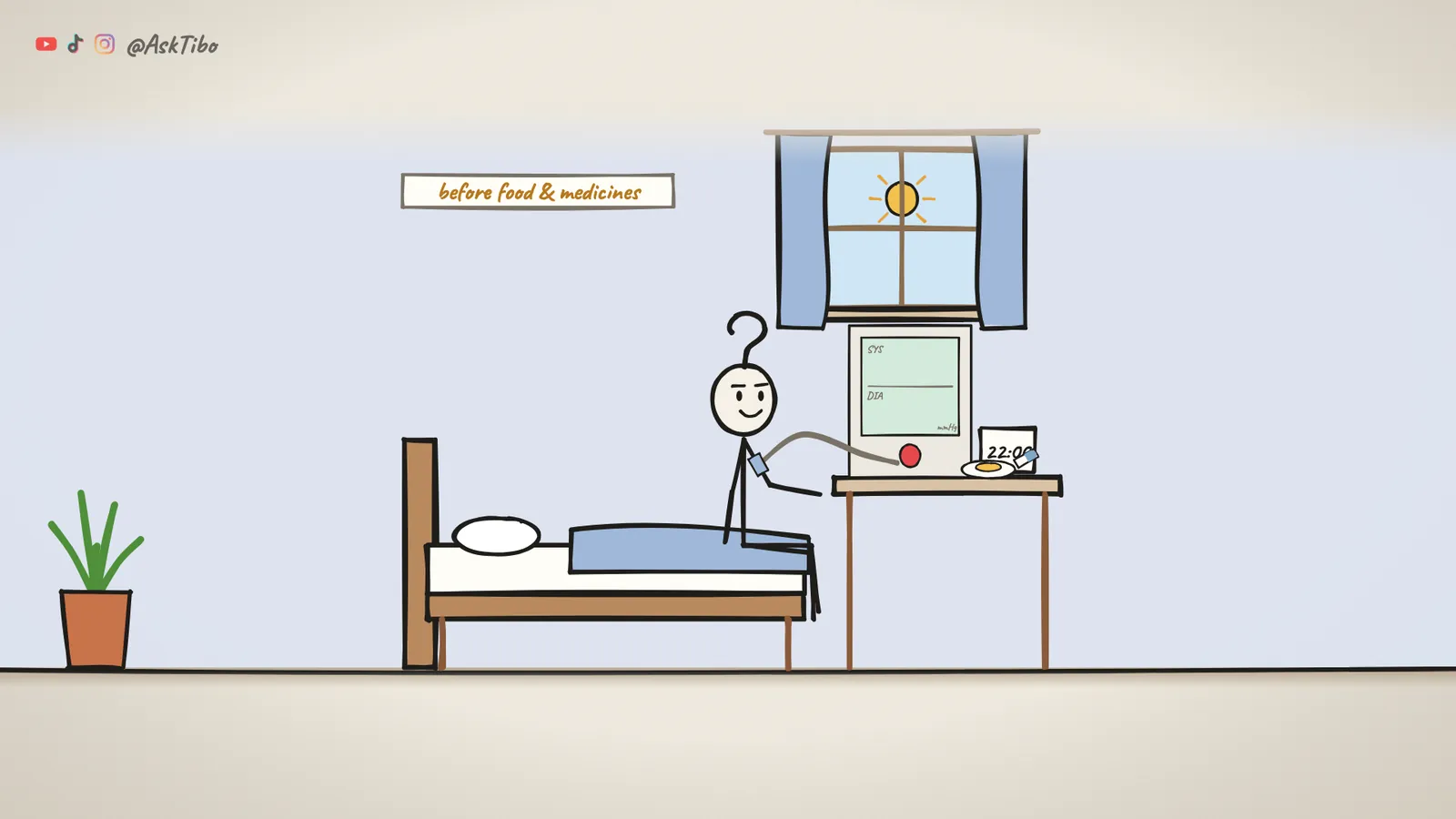
- In the morning: within an hour of waking up, before you eat or take any medicines.
- In the evening: before bed.
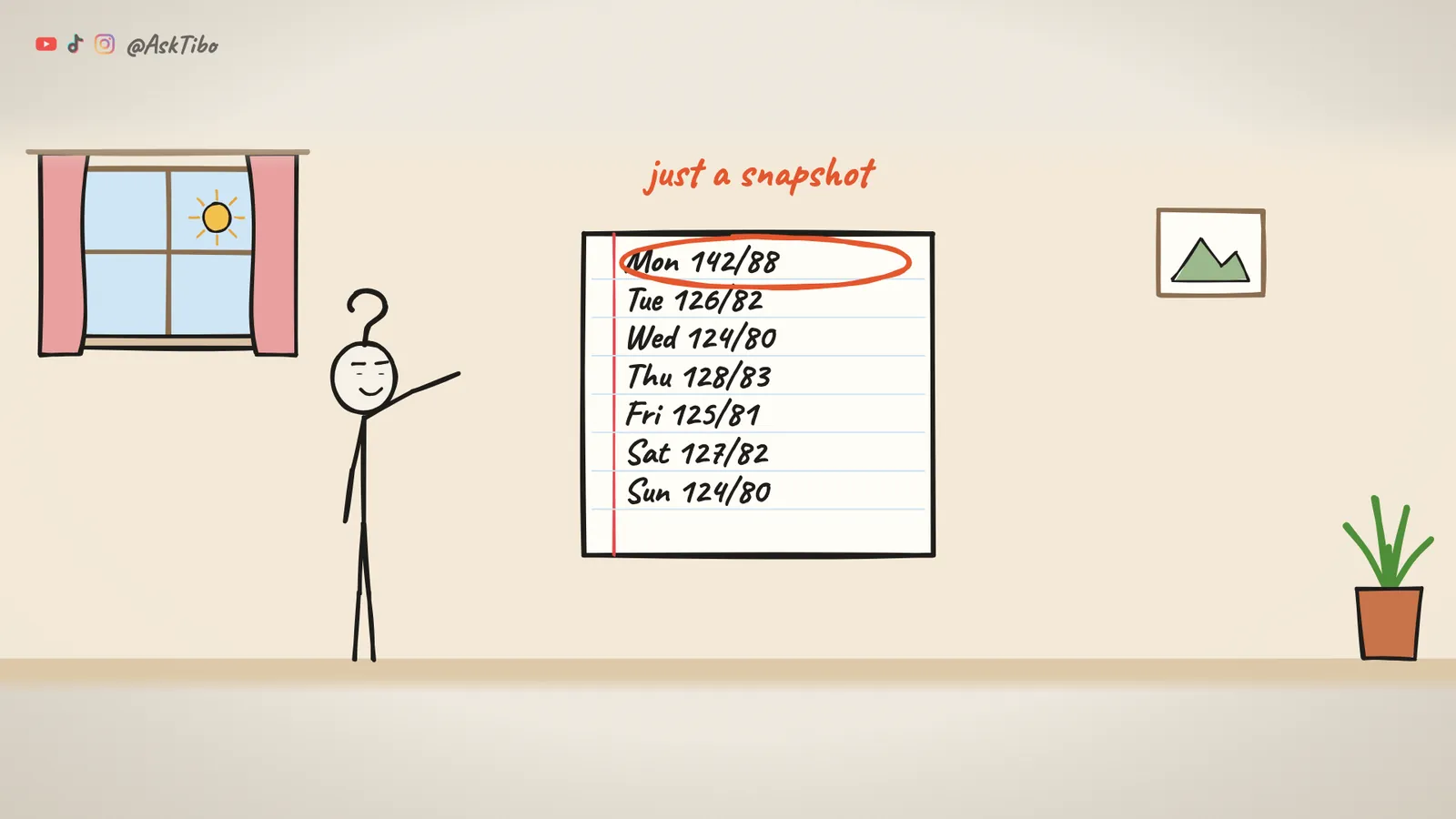
One reading is just a snapshot. A week of readings shows the real picture. Our free printable log sheet has room for a week of morning and evening readings. If your numbers stay high, take your notes and your machine to your doctor. They can check that your machine reads correctly, and tell you what your numbers mean for you.
How can you lower your blood pressure?
Small changes in your daily life can bring it down. These are the ones the health bodies agree on.
Eat less salt
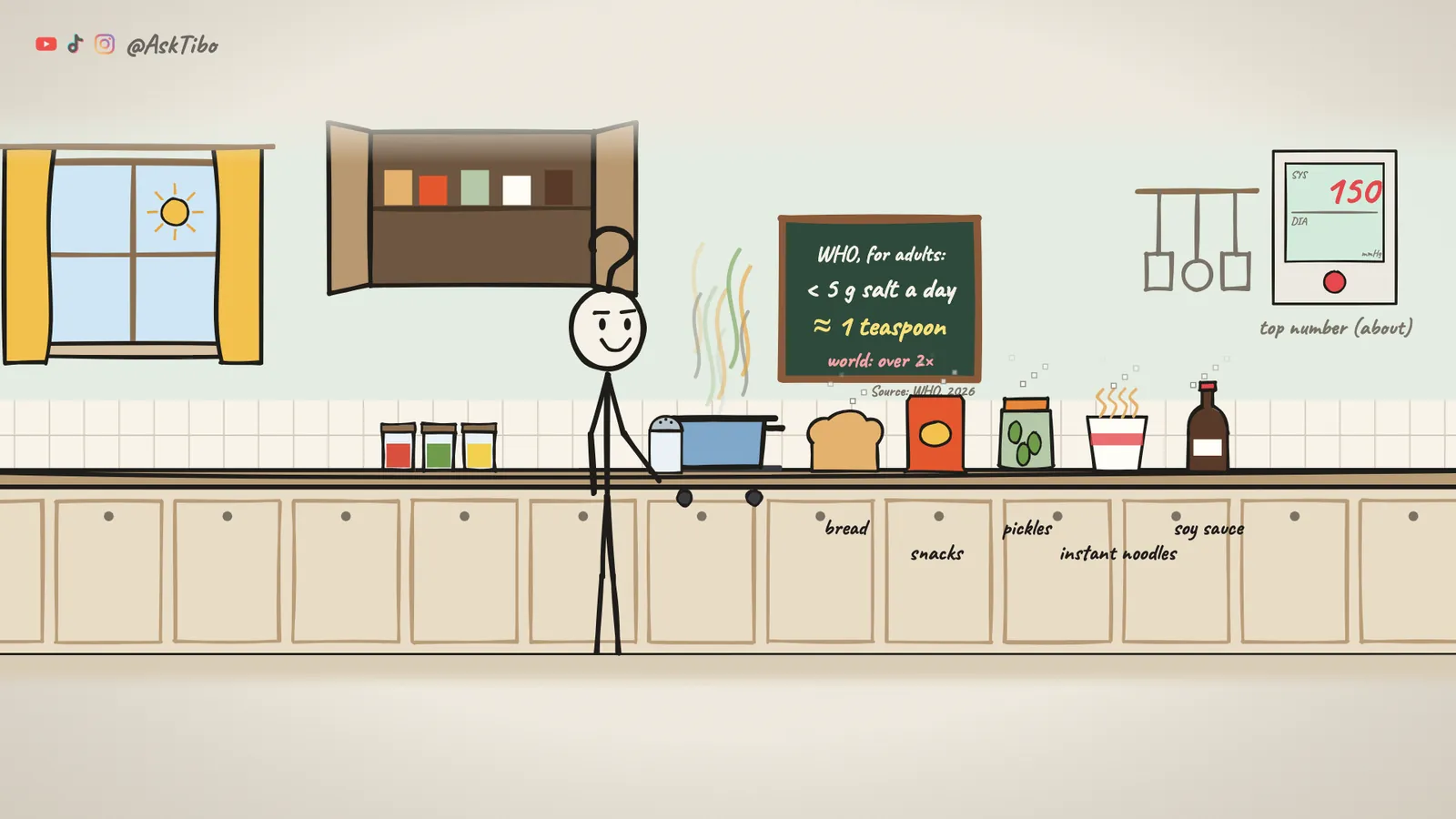
This is the big one. The World Health Organization says adults should eat less than 5 grams of salt a day. That's about one teaspoon. But on average, people around the world eat more than double that.
Most of it isn't from the salt shaker. It hides in bread, snacks, pickles, instant noodles, and sauces like soy sauce. So taste your food before you add salt. Cook with a little less. Use spices, herbs and lemon for flavour instead.
Fill your plate with plants
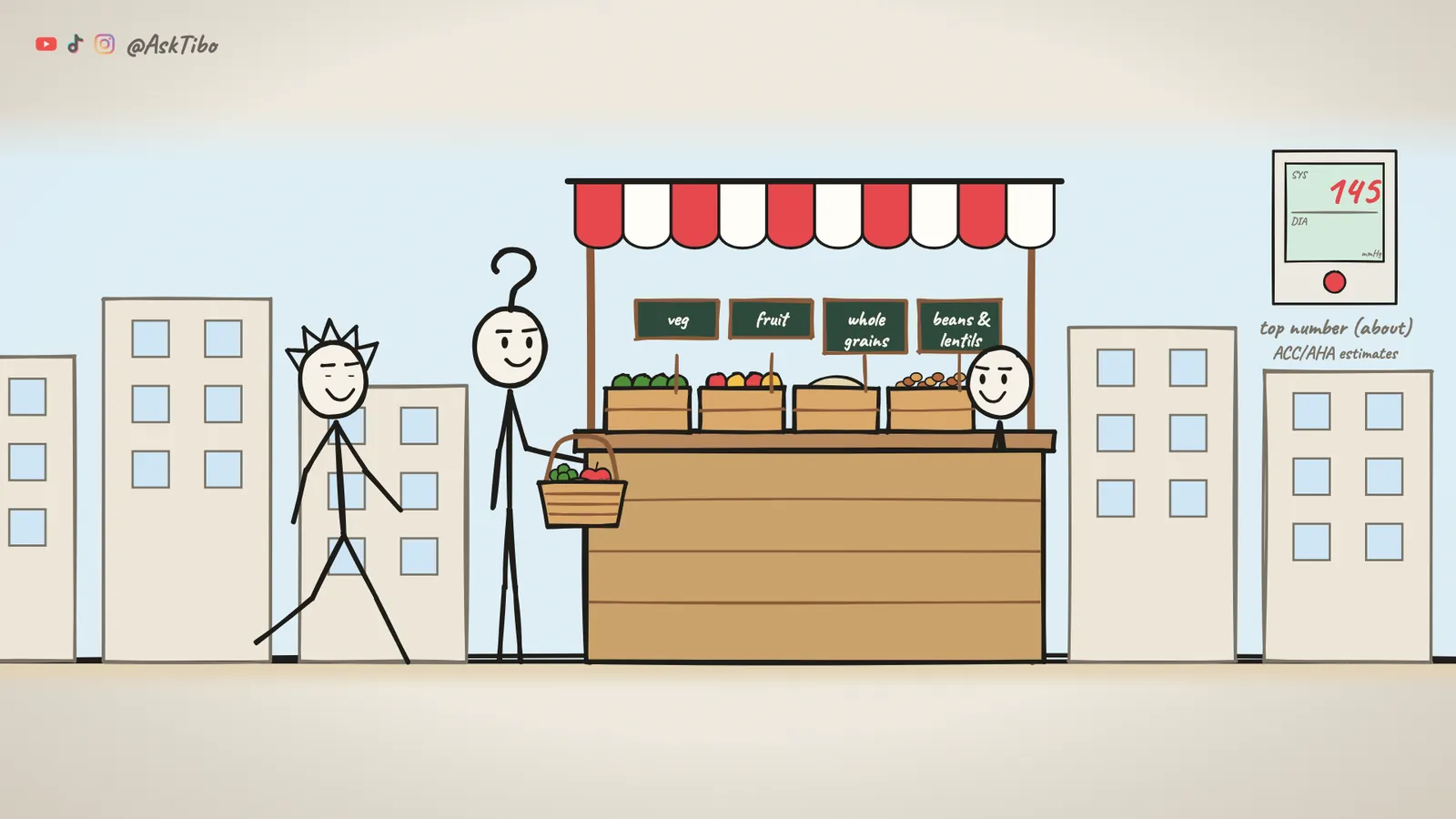
Fill your plate with vegetables, fruit, whole grains, beans and lentils. Eat less fried and fatty food. A diet like this can lower your blood pressure even more than cutting salt alone.
Walk, most days
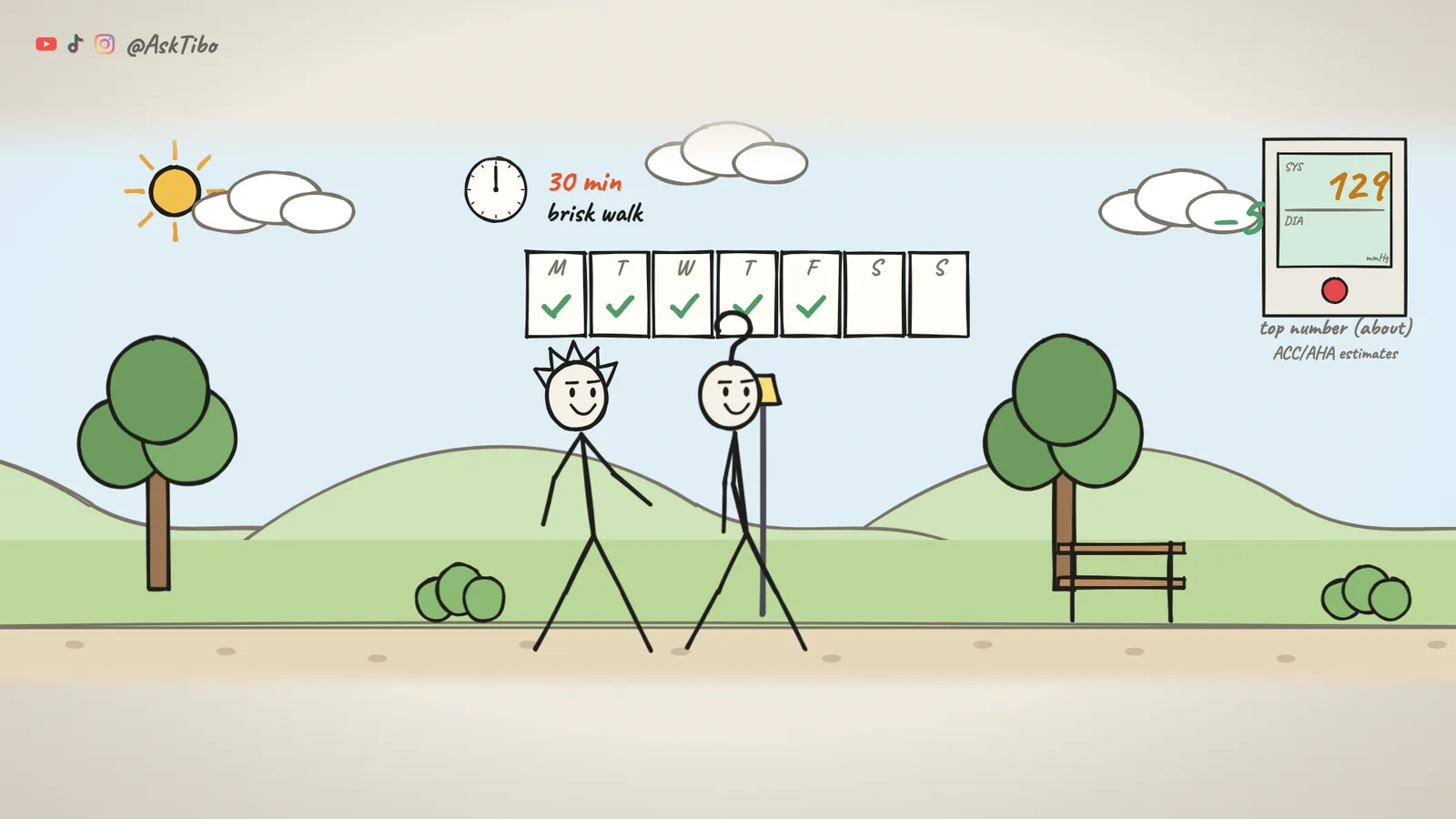
Aim for about 30 minutes of brisk walking, five days a week.
Lose some extra weight, cut down on alcohol, and stop smoking
If you carry extra weight, losing some helps too. Cut down on alcohol. And if you smoke, stop: smoking damages your arteries, on top of everything else. Sleep well, and find ways to handle stress. Both help your heart.
How much can each change lower your top number?
| Change | About how much it lowers your top number |
|---|---|
| Eat less salt (if you have high blood pressure) | About 5 points |
| Vegetables, fruit, whole grains, beans and lentils | Even more than cutting salt alone |
| 30 minutes of brisk walking, 5 days a week | About 5 points |
| Lose extra weight | About 1 point for every kilo you lose |
Rough estimates from the 2025 American Heart Association and American College of Cardiology guideline. Results differ from person to person.
Do you have to change everything at once?
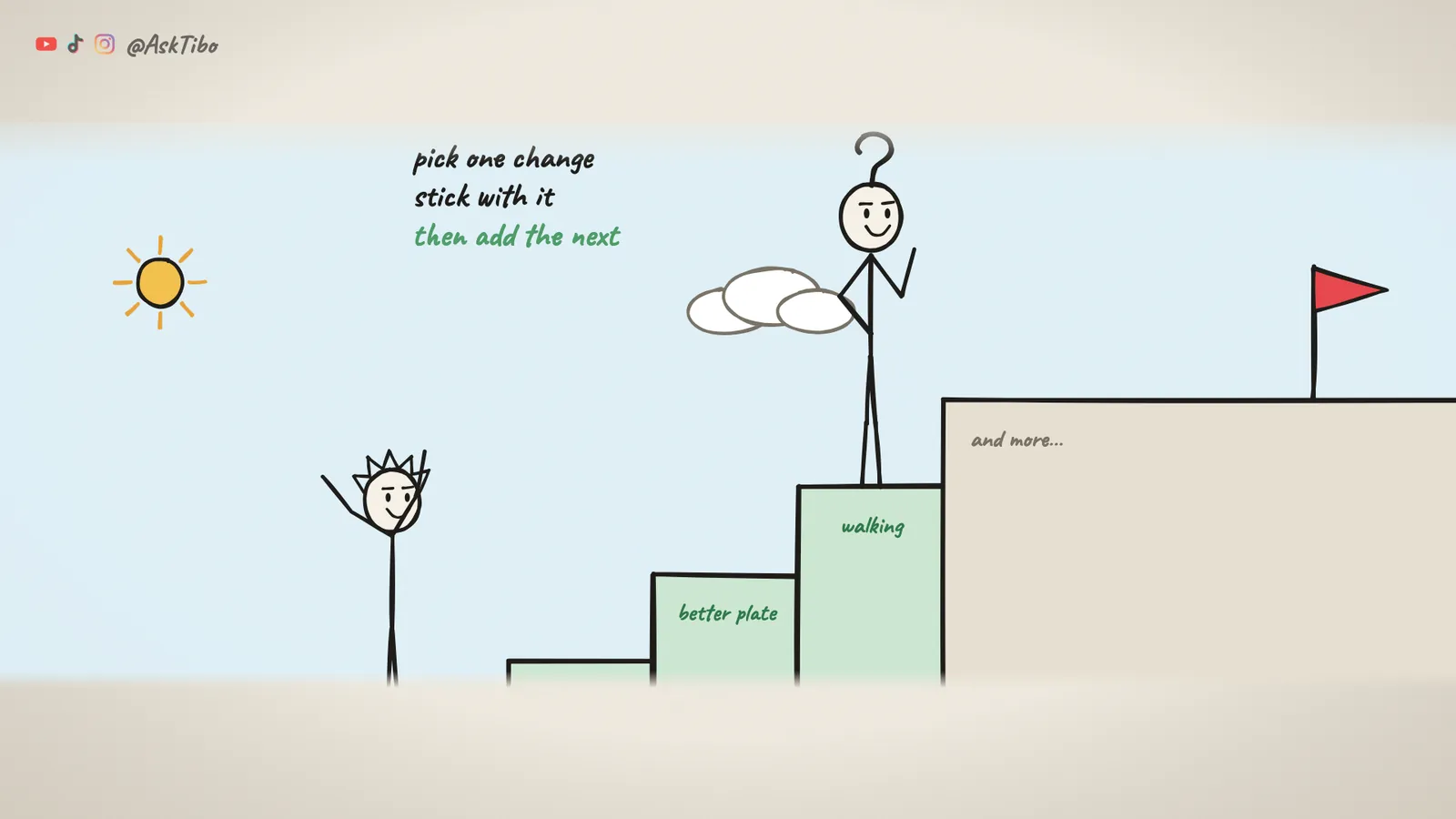
No. None of these needs to happen overnight. Pick one change, stick with it, then add the next.
What if habits aren't enough?
For some people, habits alone aren't enough. They also need medicine. That's normal. It doesn't mean you failed.
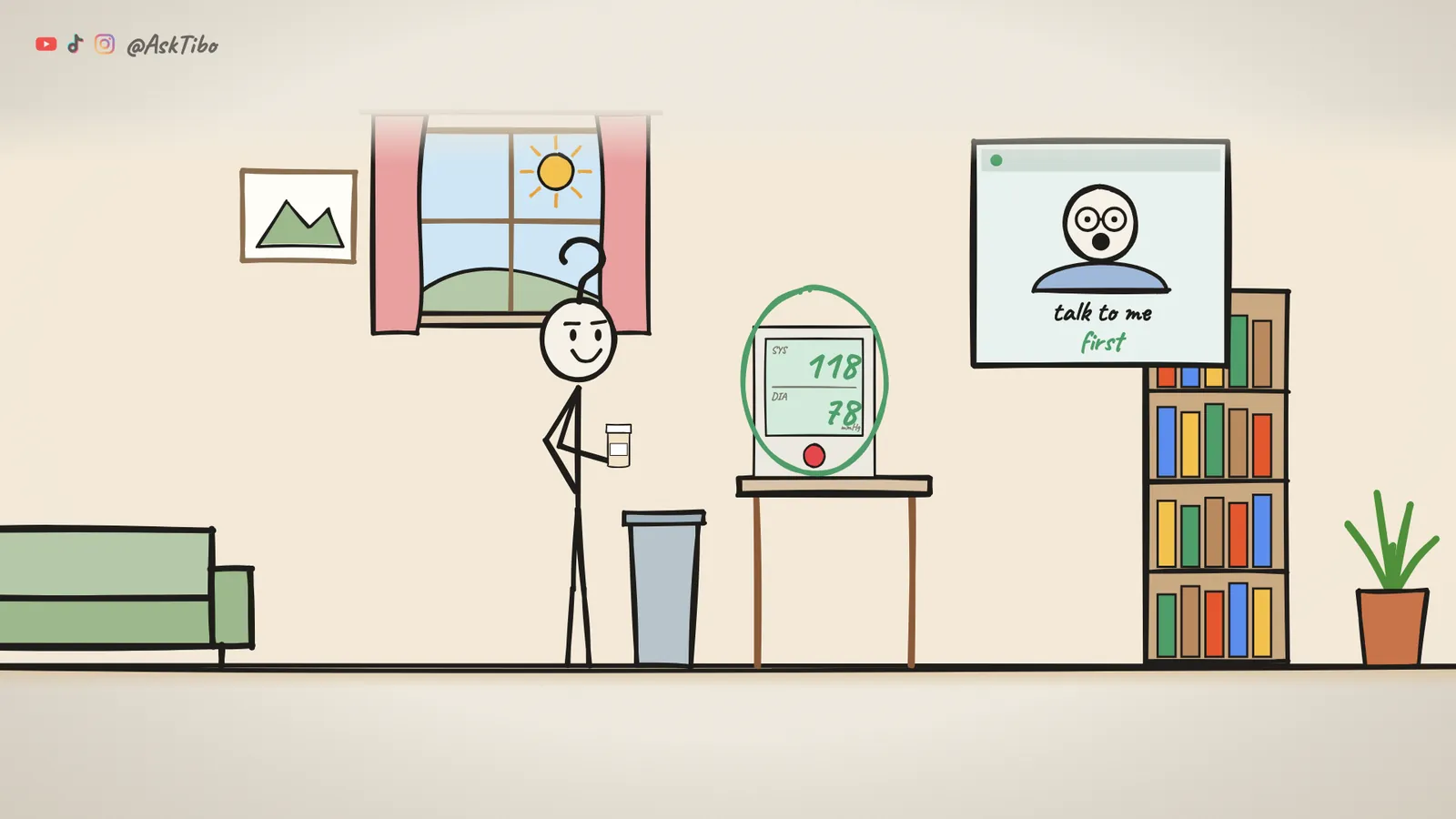
And if you already take blood pressure medicine, never stop it on your own, even when your numbers look good. Talk to your doctor first.
How do blood pressure medicines work?
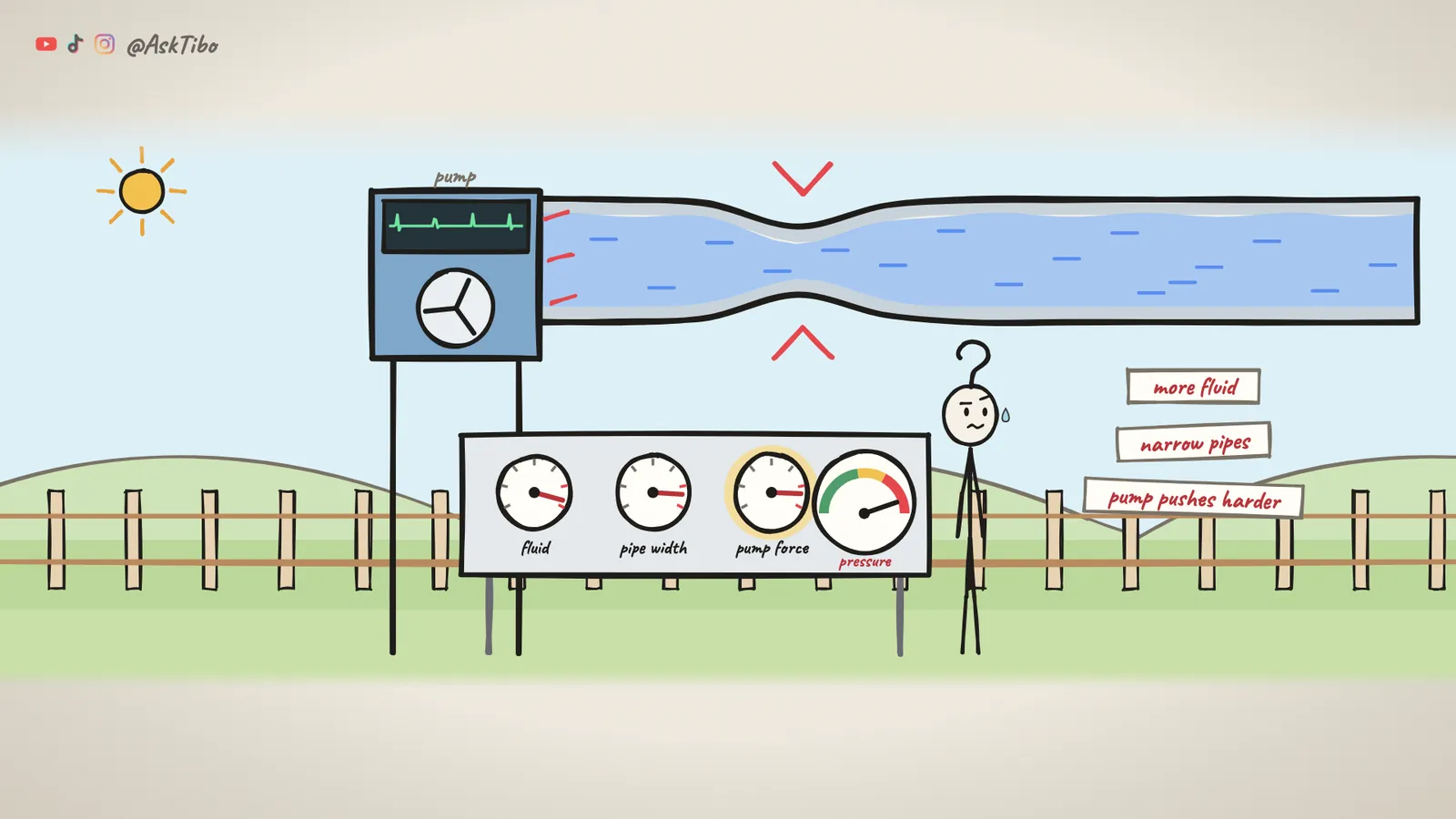
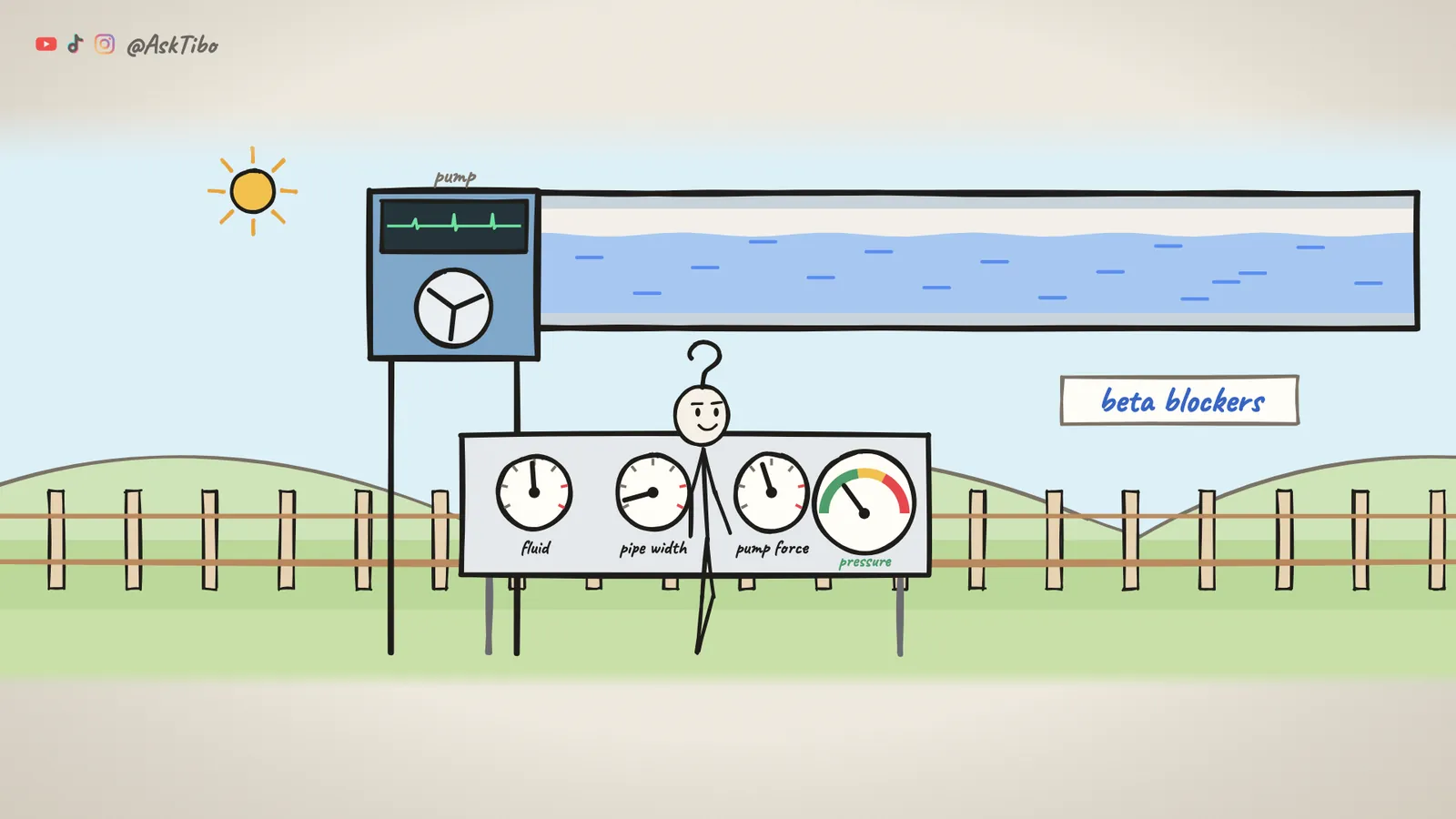
Remember the pump and the pipes? Your blood pressure goes up when:
- there's more fluid in the pipes,
- the pipes get narrow, or
- the pump pushes harder.
Blood pressure medicines work on these same three things. That's why there are different types.
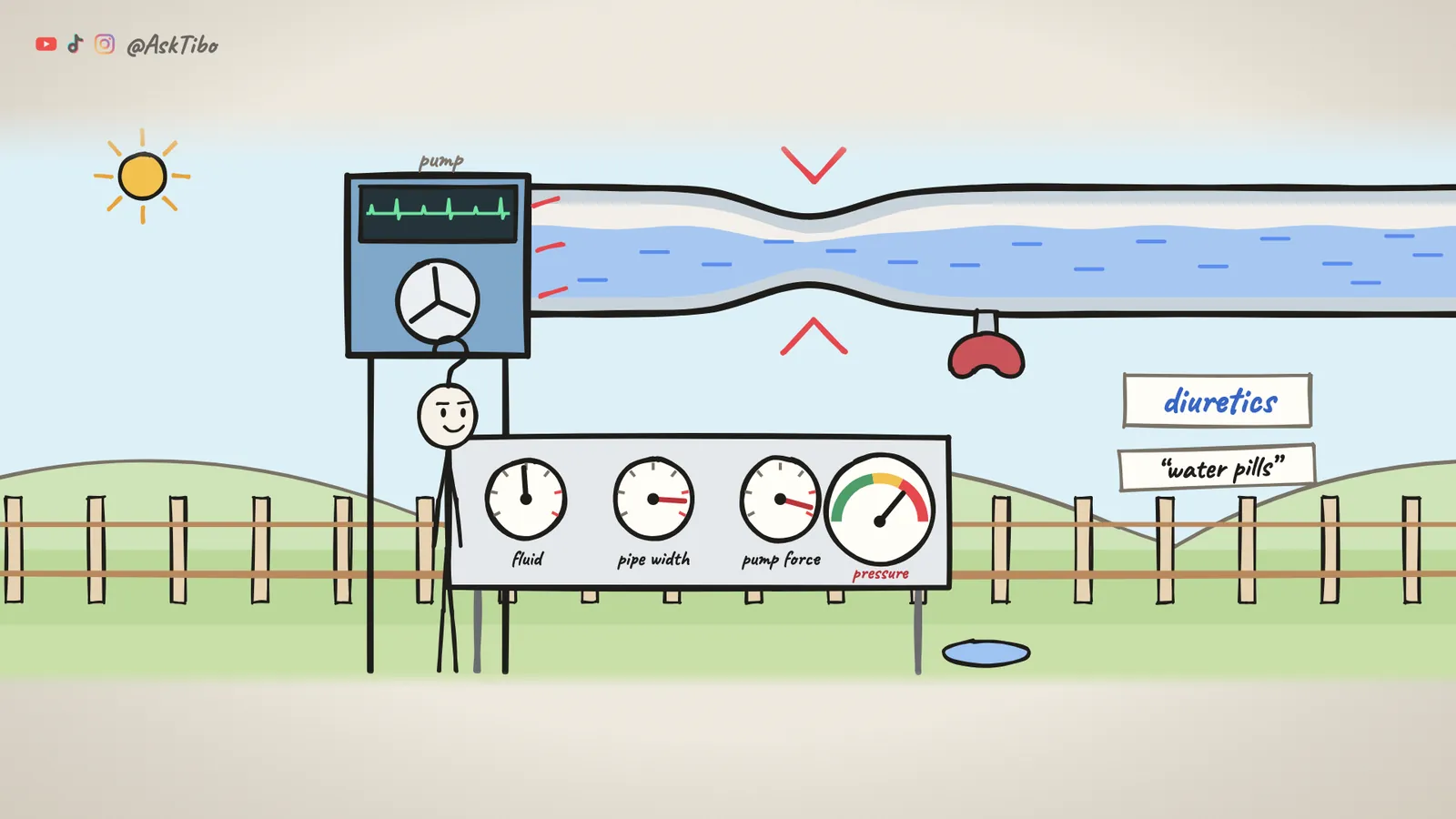
Diuretics (water pills): less fluid
Some medicines help your body get rid of extra salt and water through your urine. Less fluid in the pipes means less pressure. These are called diuretics, or water pills.
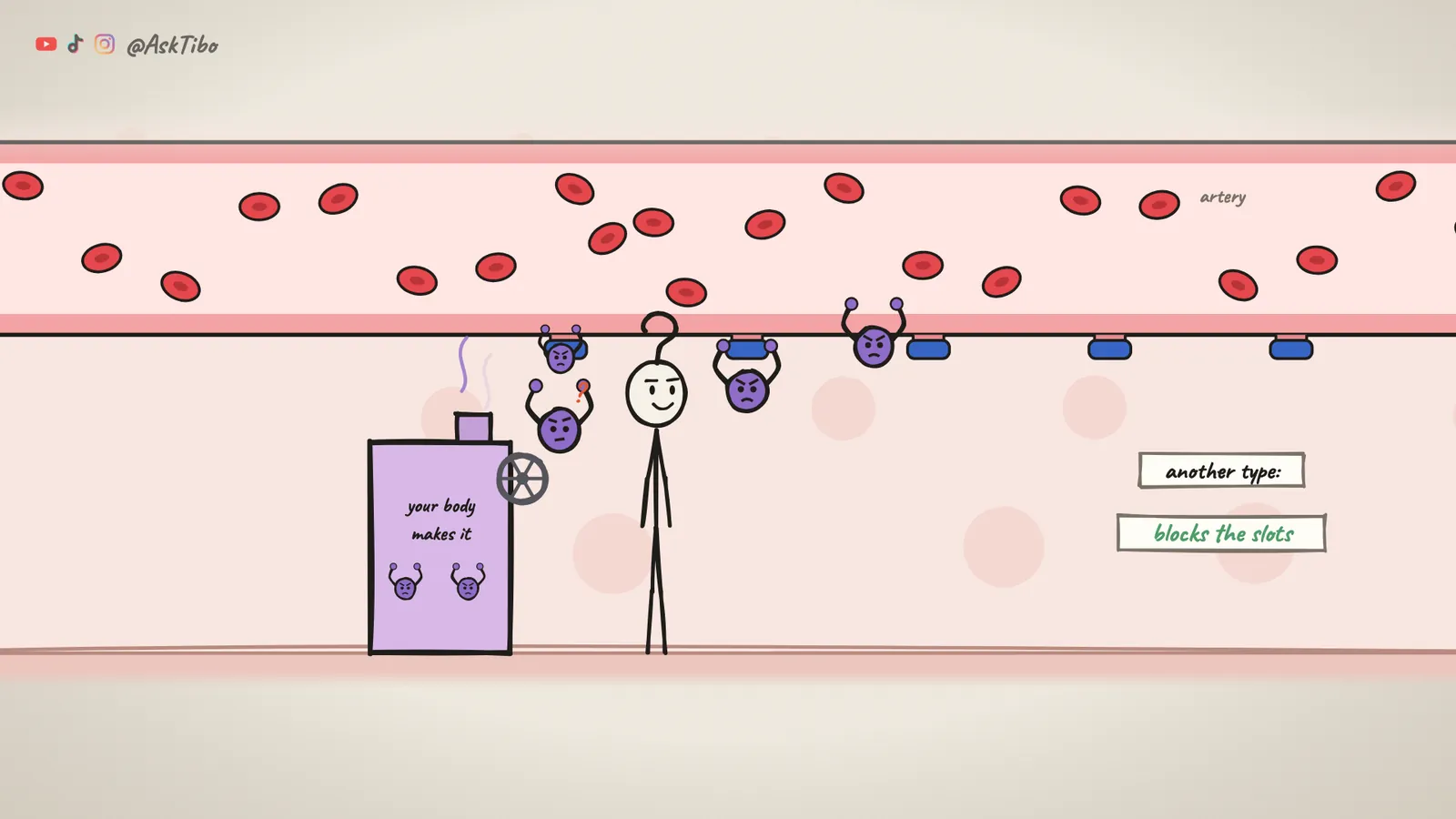
ACE inhibitors and ARBs: wider pipes
Some medicines widen your blood vessels. Your body makes a chemical that tightens your arteries. One type of medicine makes your body produce less of it: these are called ACE inhibitors. Another type stops that chemical from working: these are called ARBs.
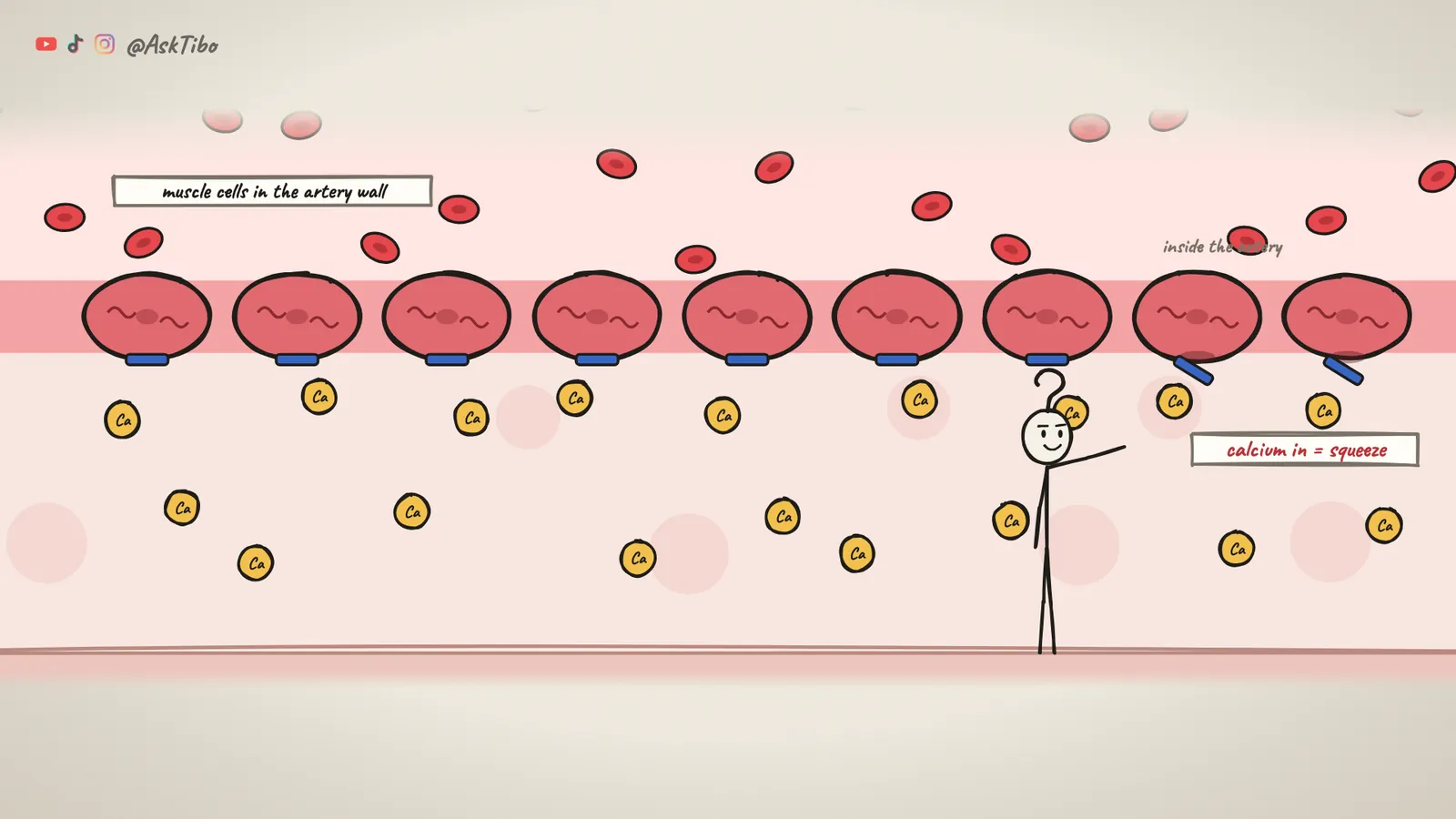
Calcium channel blockers: relaxed artery walls
Another type stops calcium from getting into the muscle cells of your arteries. Without it, the arteries relax and open up. These are calcium channel blockers. Some of them also slow your heart a little.
Beta blockers: a calmer pump
And some medicines calm the pump itself. They slow your heartbeat, so your heart pushes with less force. These are called beta blockers.
There are a few other types too, but these are the main ones.
Why isn't there one medicine for everyone?
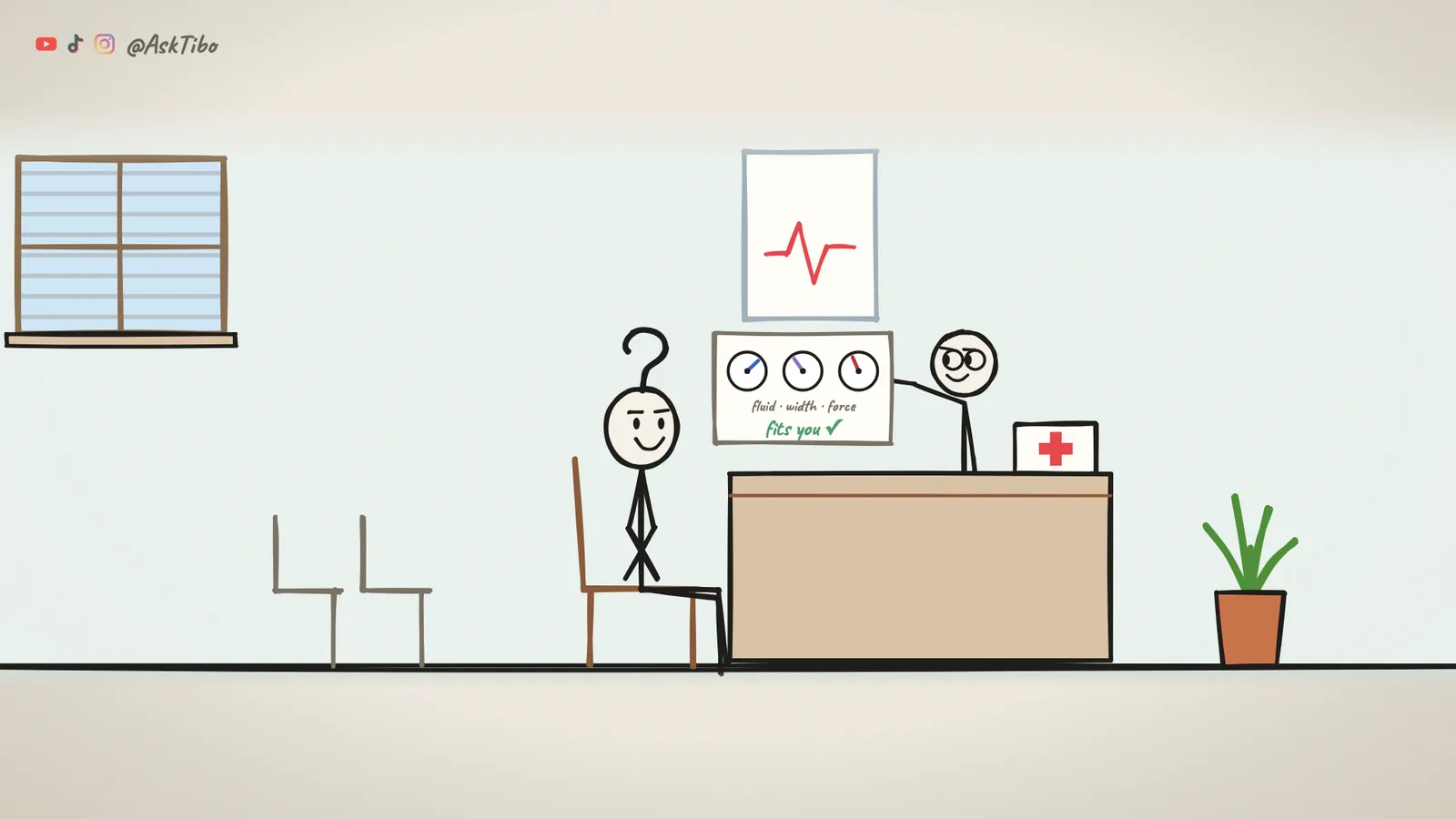
Because every body is different. Your age, your other health problems, and how your body reacts all matter. Your doctor picks the type that fits you.
Can you buy blood pressure medicine without a prescription?
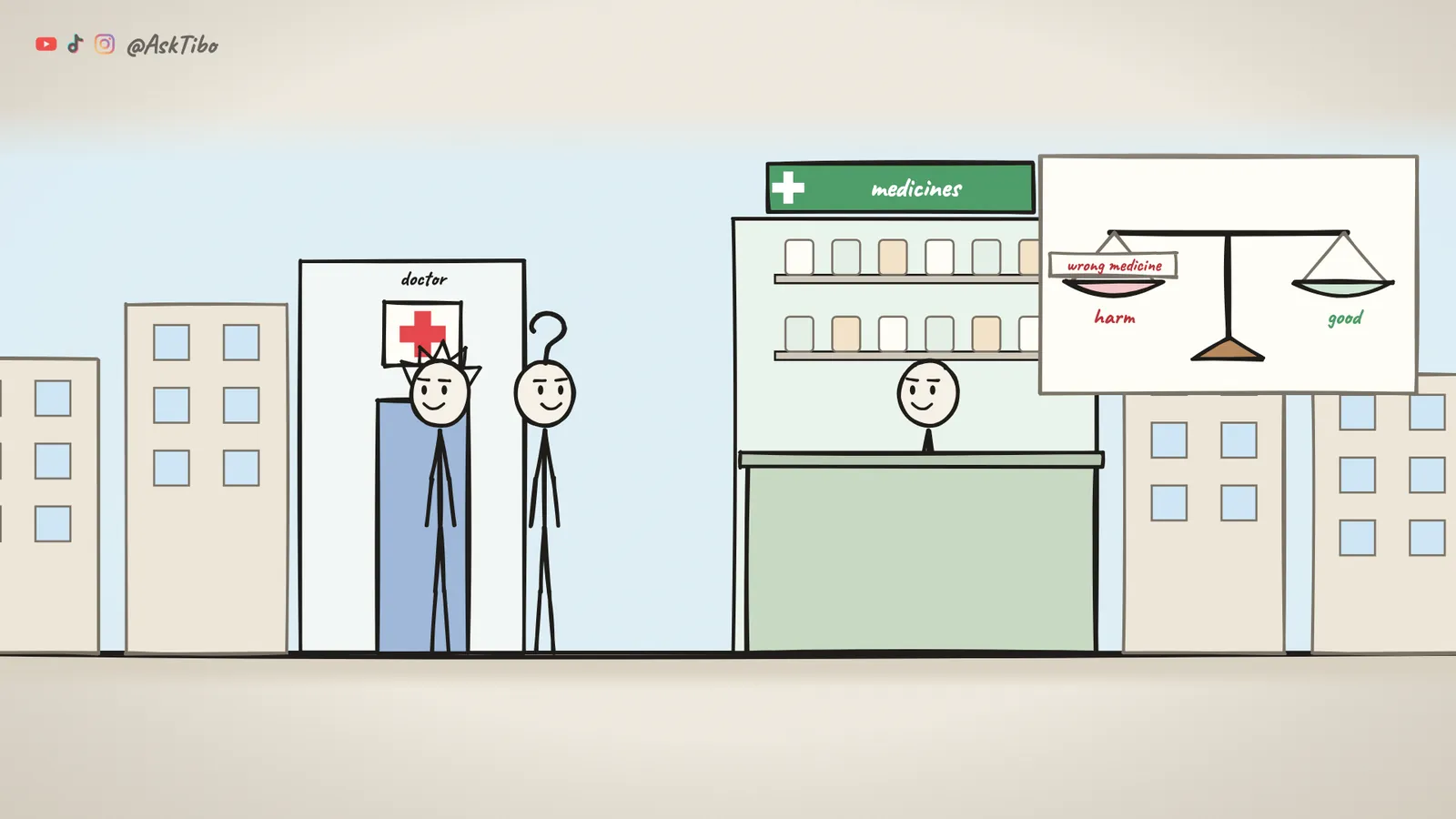
In many countries you can. Please don't. Always see a doctor first. The wrong medicine, or the wrong dose, can do more harm than good.
Can you take two medicines in one pill?
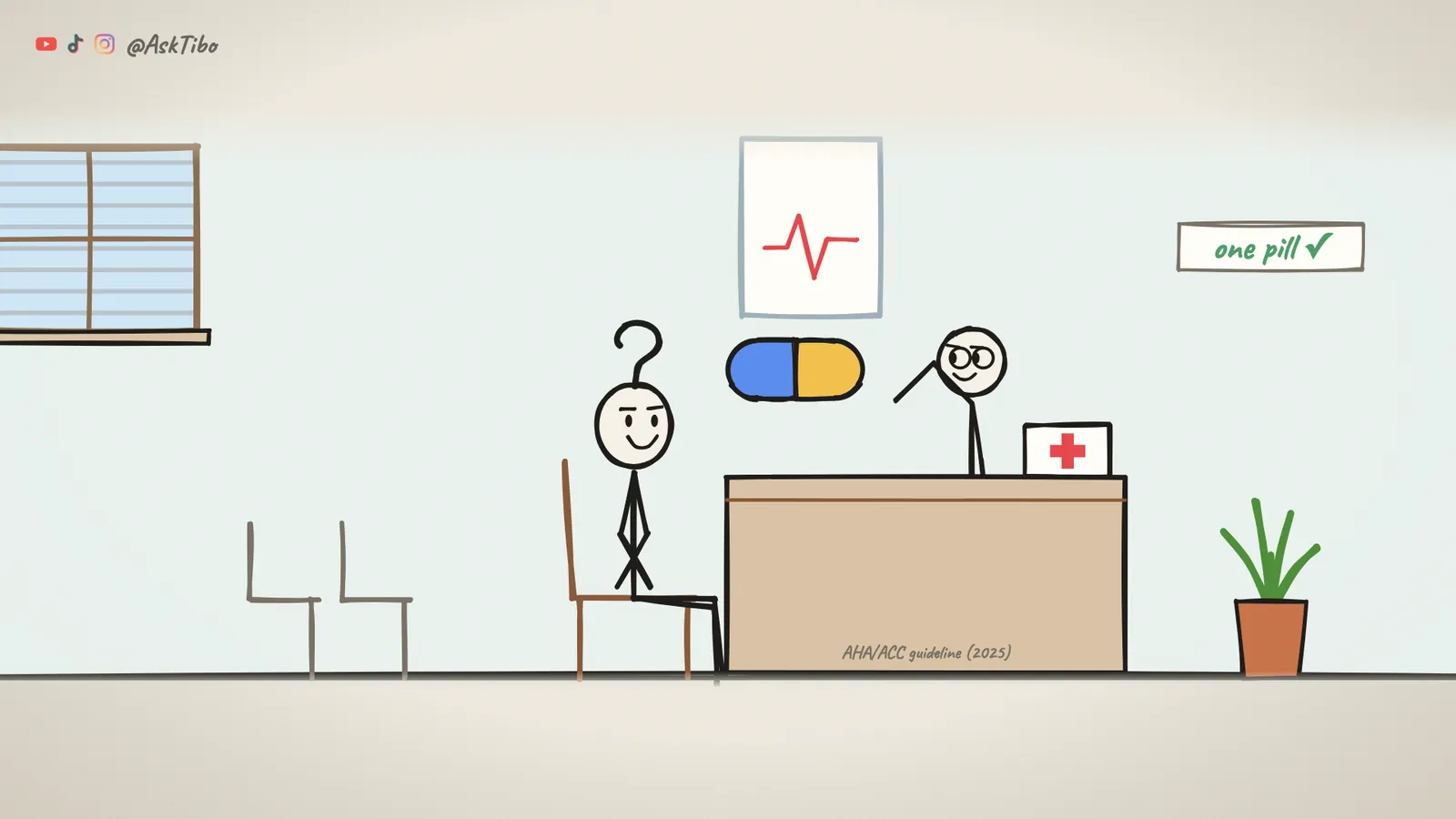
Many people need two types together. Doctors often combine them into a single pill, so you only take one.
What about side effects and pregnancy?
Every medicine can have side effects. If something doesn't feel right, tell your doctor. There's usually another option.
If you're pregnant, or planning to be, tell your doctor too. Some blood pressure medicines aren't safe during pregnancy.
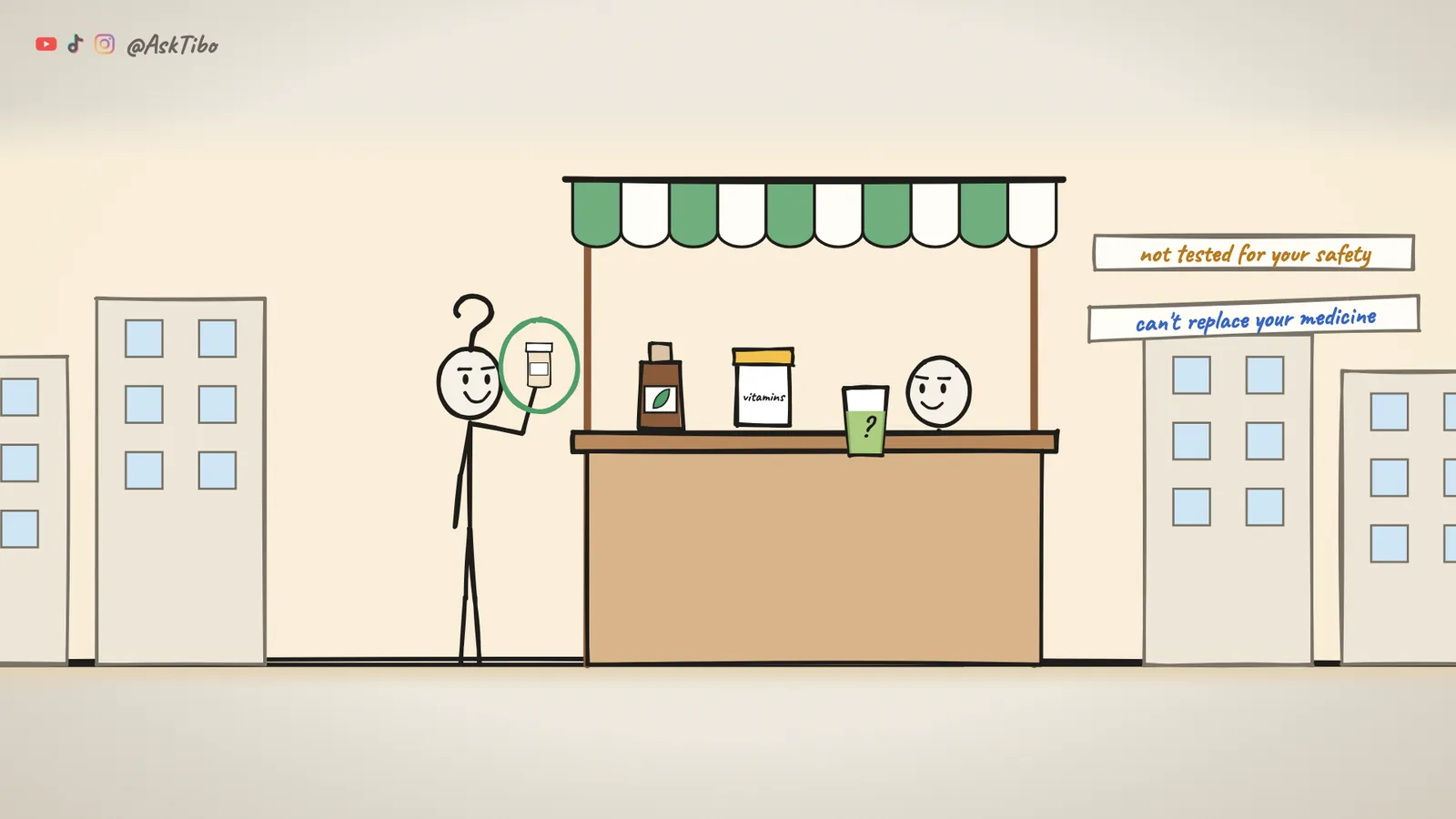
Can herbal remedies replace blood pressure medicine?
No. No herbal remedy, vitamin or special drink can replace these medicines. Herbal remedies haven't been tested for your safety.
5 things to remember
- Blood pressure is the push of your blood on the walls of your arteries. For most adults, normal is below 120 over 80.
- High blood pressure usually has no symptoms. The only way to know is to measure it.
- At home, use an upper-arm machine, sit the right way, and write your readings down.
- Less salt, better food, more walking, less alcohol and no smoking can bring it down.
- If you need medicine, let a doctor choose it for you.
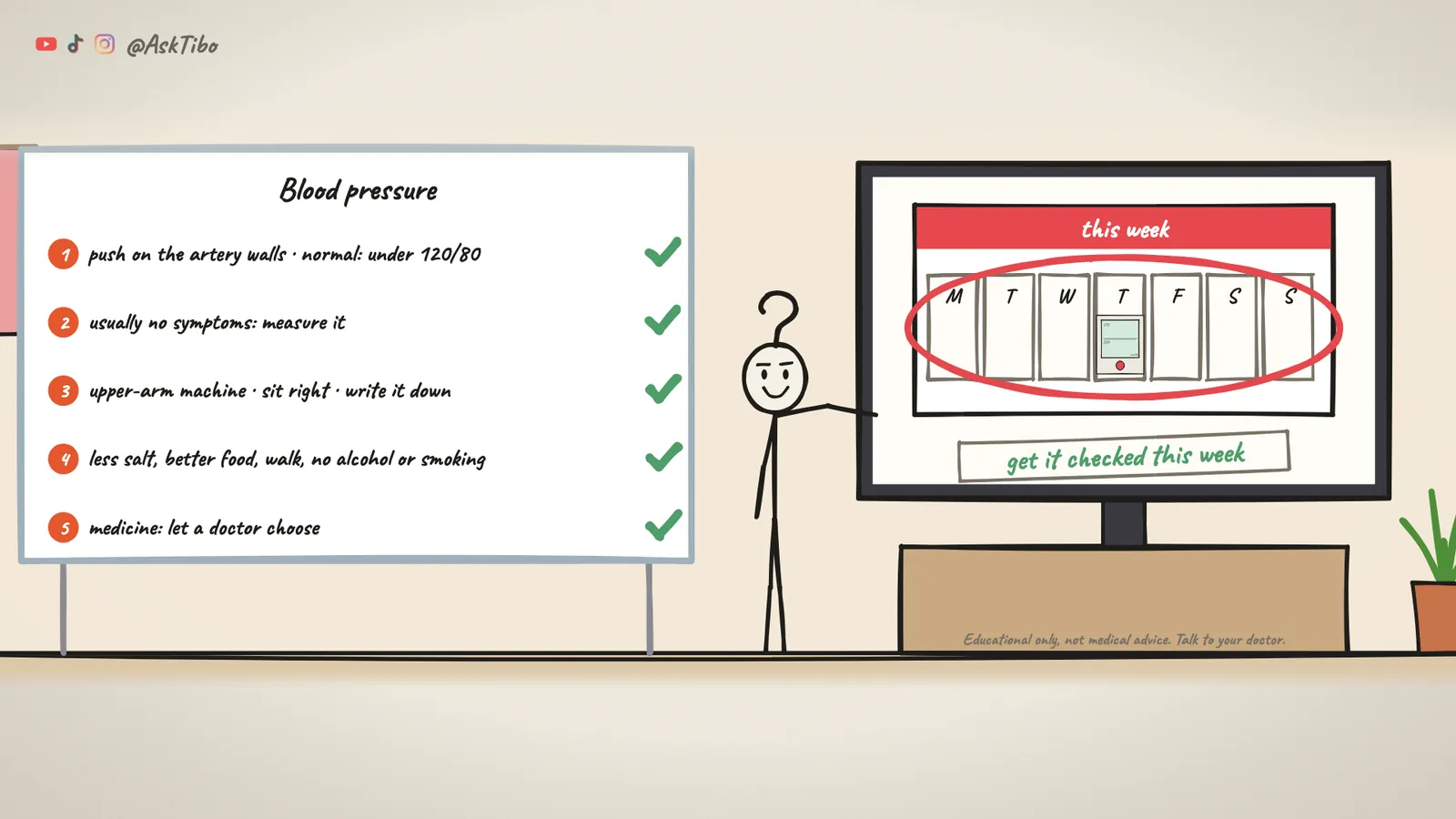
If you haven't checked your blood pressure in a while, get it checked this week.
Free tools
- Blood pressure checker: Just took a reading? Type your two numbers and get one clear next step. Comes with a printable chart and log sheets.
How we made this, and sources
This page is the written version of our video. A person wrote the script and checked every fact against the sources below on 17 November 2026. Ask Tibo isn't run by doctors, and Tibo explains how things work rather than what's right for you. This page is for learning, not medical advice. For anything about your own blood pressure or medicine, talk to a doctor. More about how we work.
The drawings come from the video. Spotted a mistake? Send Tibo a DM on Instagram and we'll fix it.
What blood pressure is, and normal, high and low readings
- World Health Organization: Hypertension fact sheet
- American Heart Association: Understanding blood pressure readings
- NHLBI (US National Institutes of Health): High blood pressure
- NHLBI (NIH): Low blood pressure
Symptoms, who is at risk, how often to check
- WHO: Hypertension fact sheet (1 in 3 adults aged 30 to 79; 44% don't know)
- Mayo Clinic: High blood pressure, symptoms and causes
Checking it at home
- American Heart Association: Home blood pressure monitoring
- CDC: Measuring your blood pressure
- Million Hearts (US Department of Health and Human Services): 7 simple tips to get an accurate reading
- STRIDE BP: free list of validated blood pressure machines
- American Heart Association: When to call for help about high blood pressure
Lowering it
- WHO: Salt reduction fact sheet (less than 5 g of salt a day)
- NHLBI (NIH): The DASH eating plan
- American Heart Association: How to manage high blood pressure
- 2025 AHA/ACC guideline for high blood pressure in adults
Medicines
Got a question about blood pressure, or something else you'd like explained? Ask in the comments on YouTube or DM Tibo on Instagram.